Identify and plan strategic uses for $200 in API credits across Claude Science and Claude Code during the hackathon. Evaluate potential applications such as large-scale data processing, model training, or advanced analysis tasks that could accelerate project goals.
This session was intended to identify and plan strategic uses for $200 in API credits across Claude Science and Claude Code during a hackathon, evaluating applications like large-scale data processing, model training, or advanced analysis to accelerate project goals.
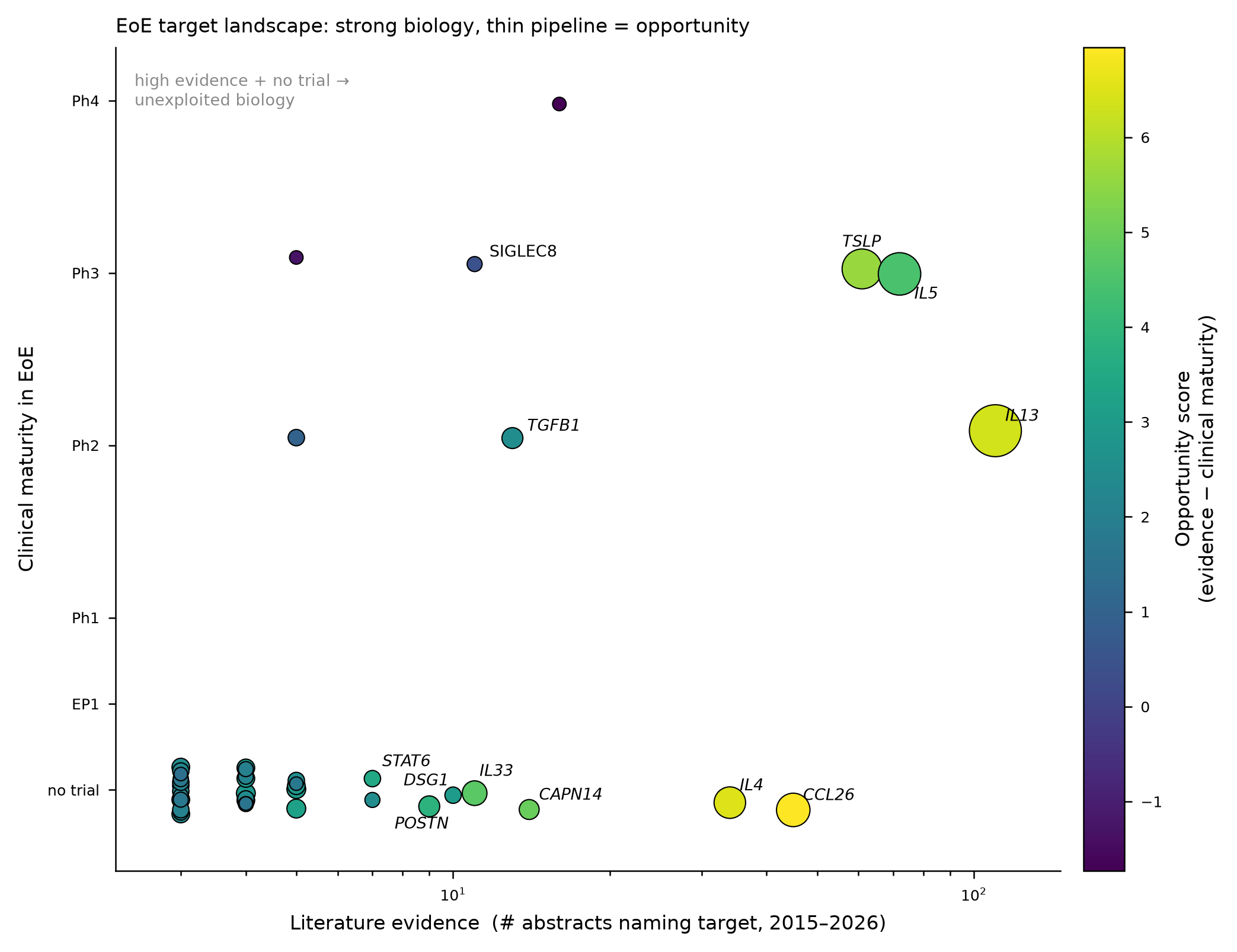
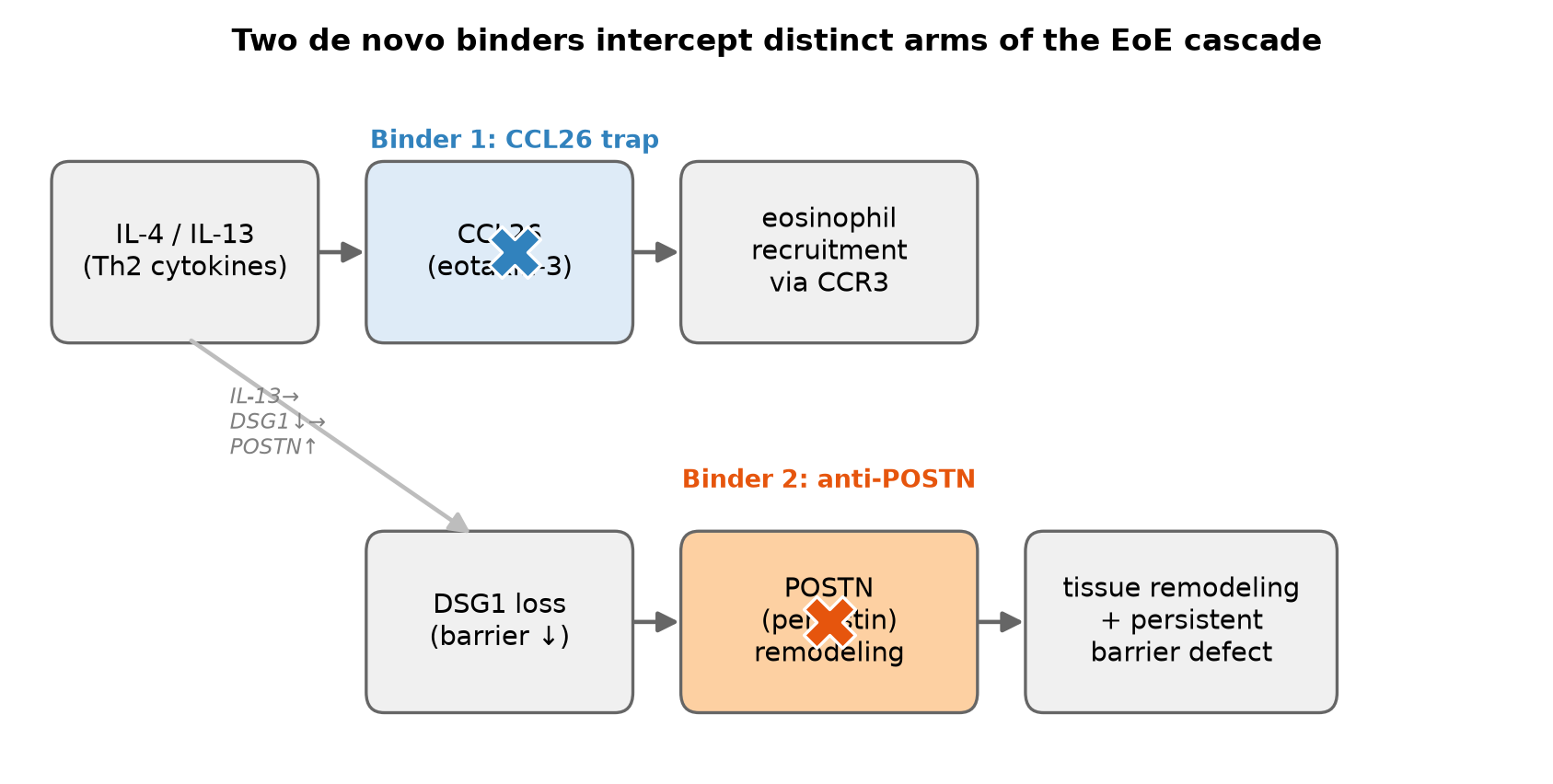
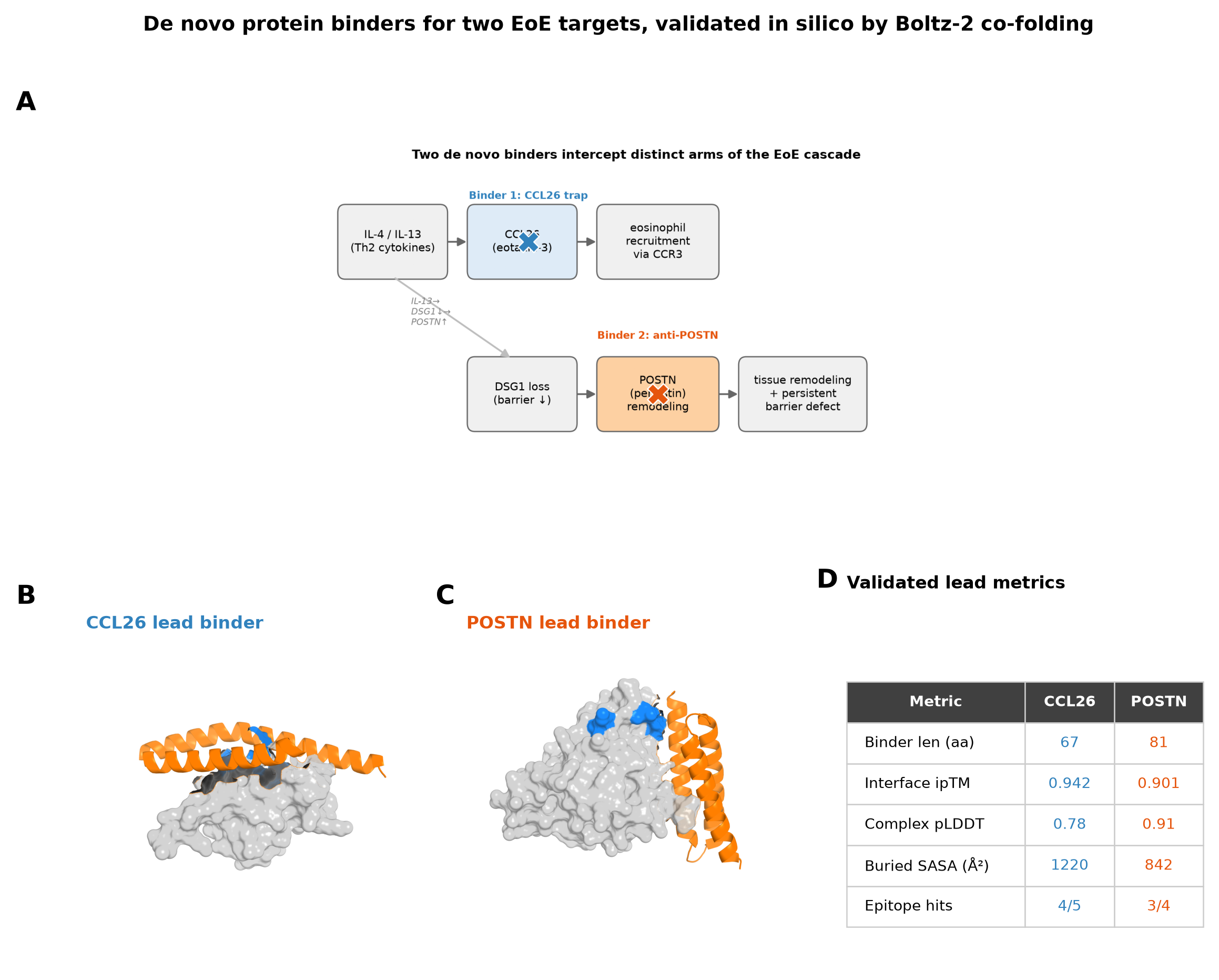
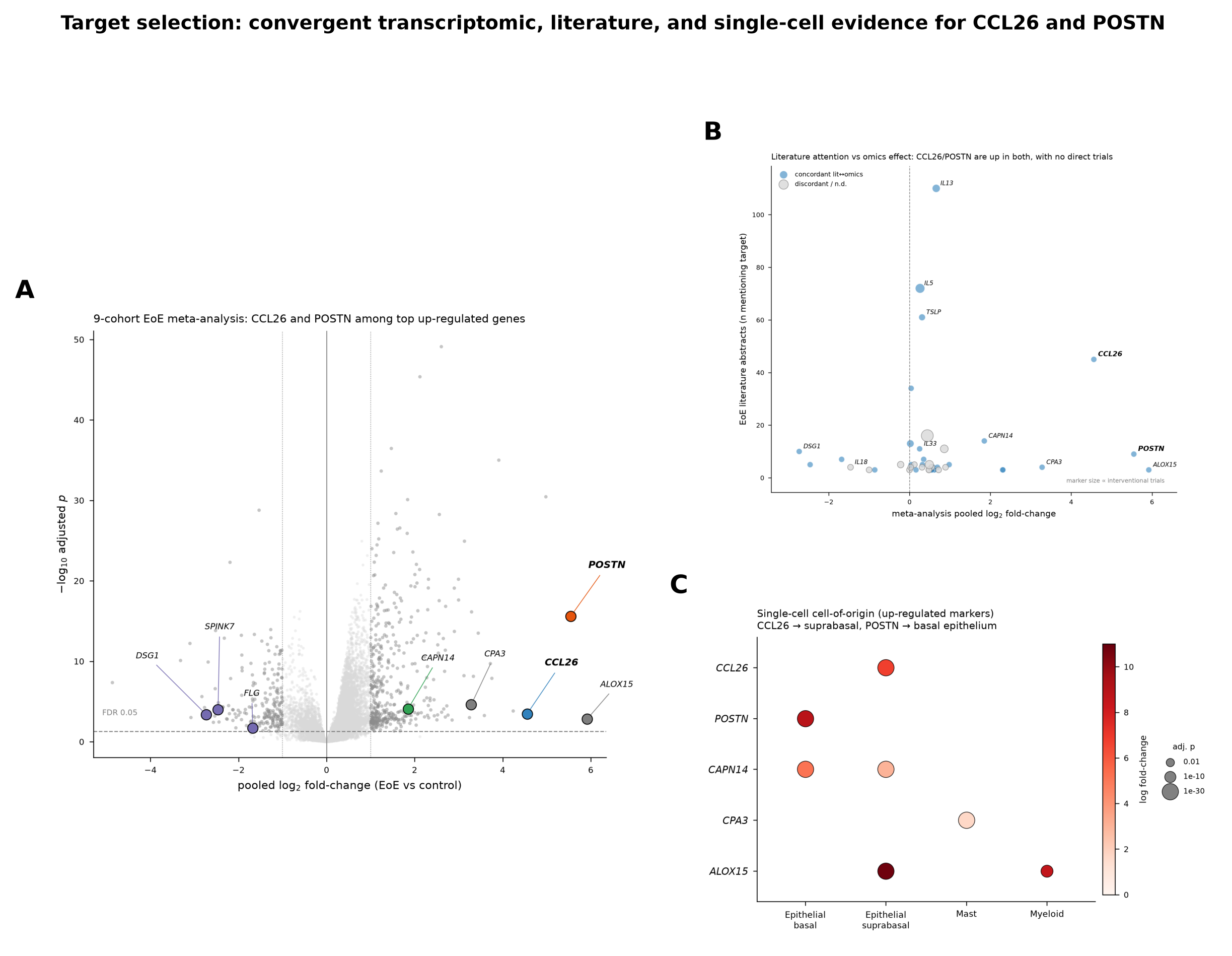
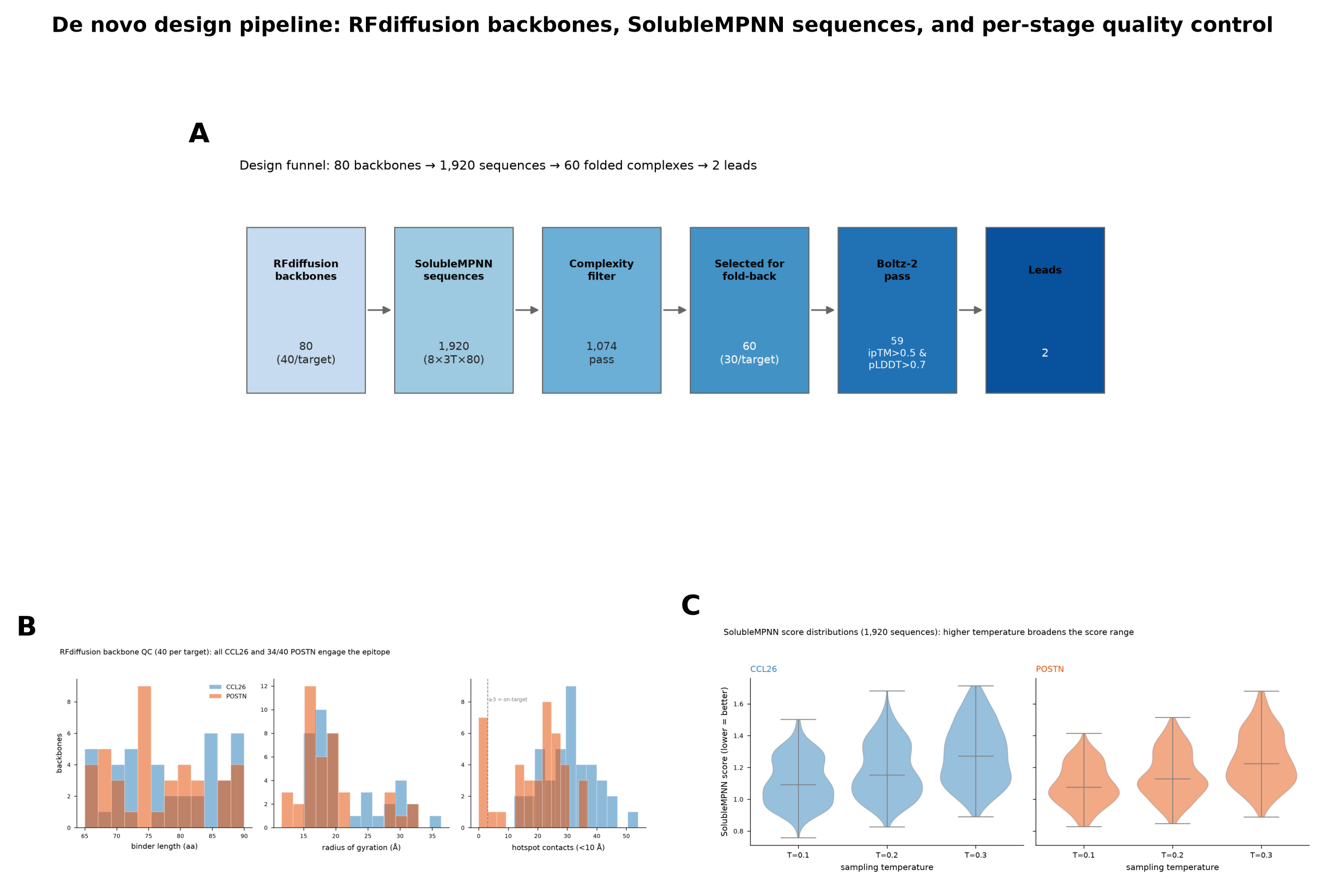
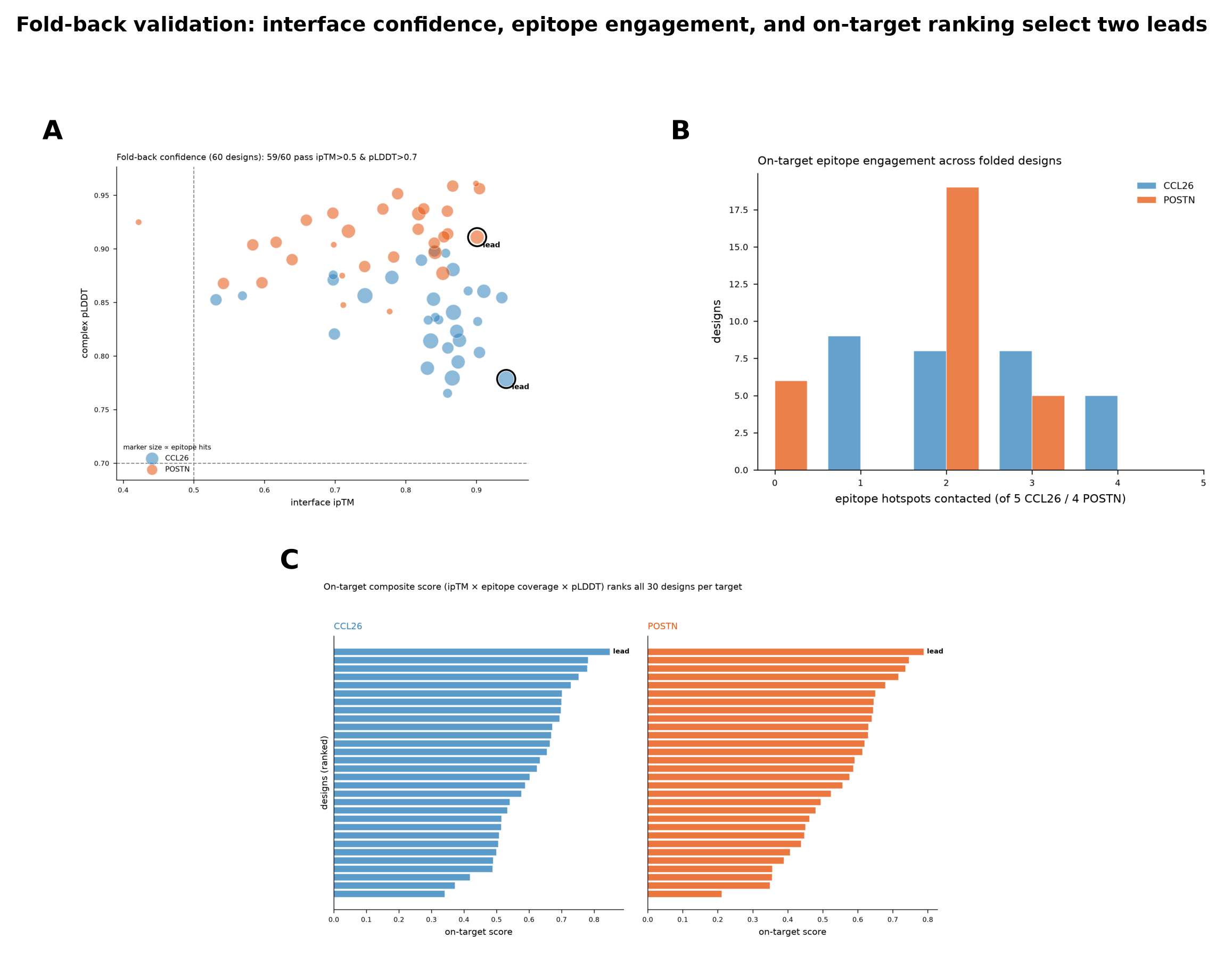
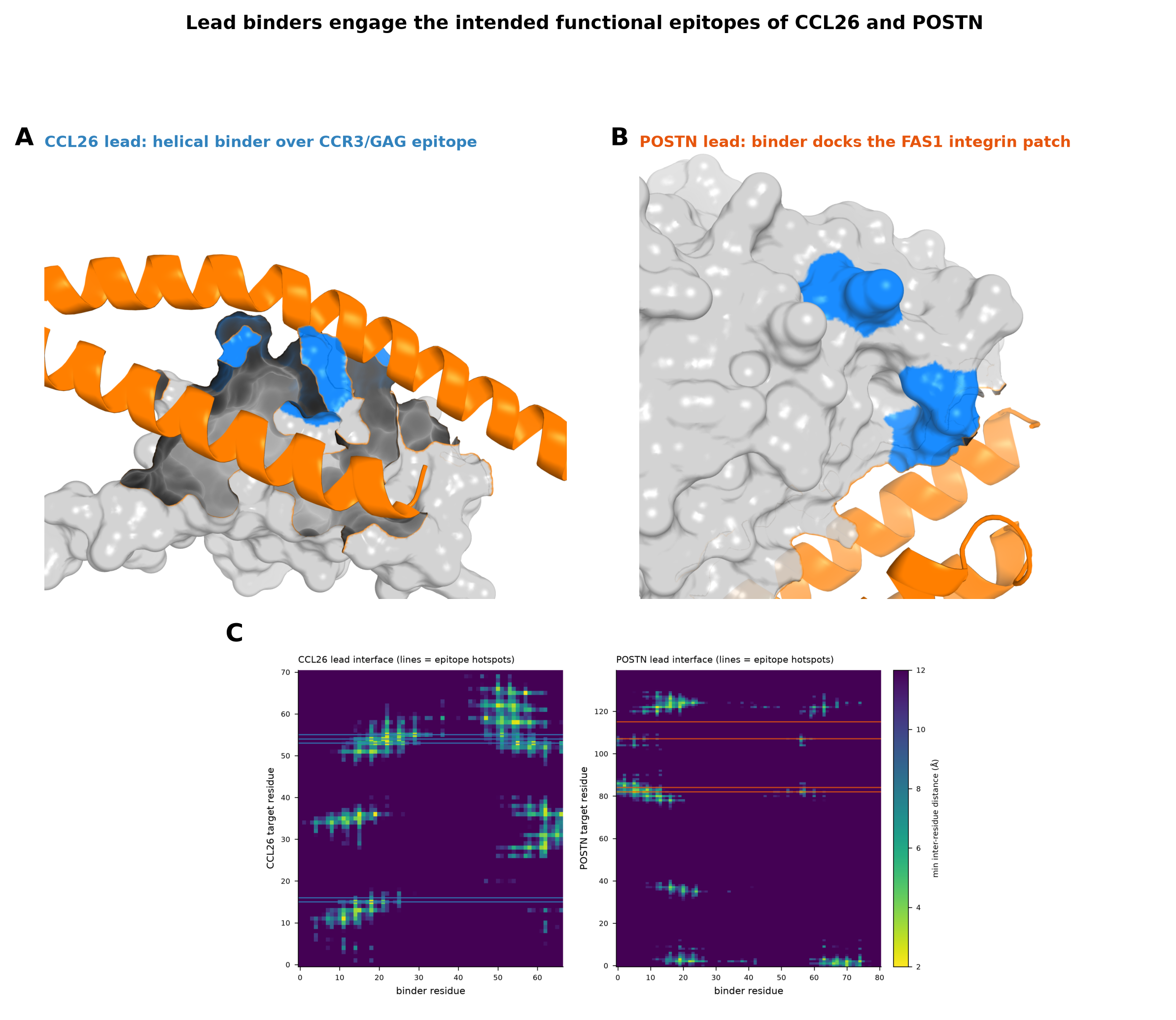
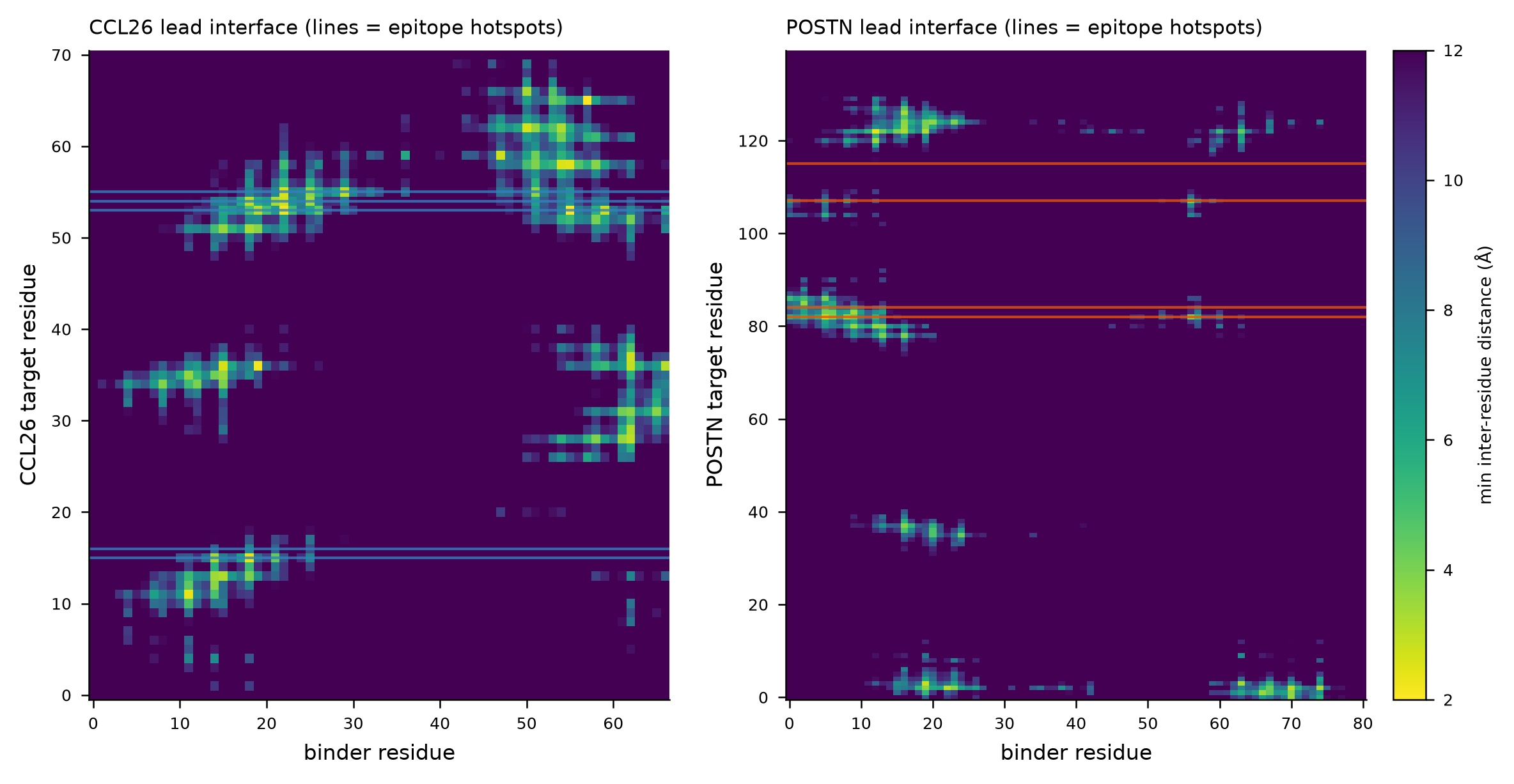
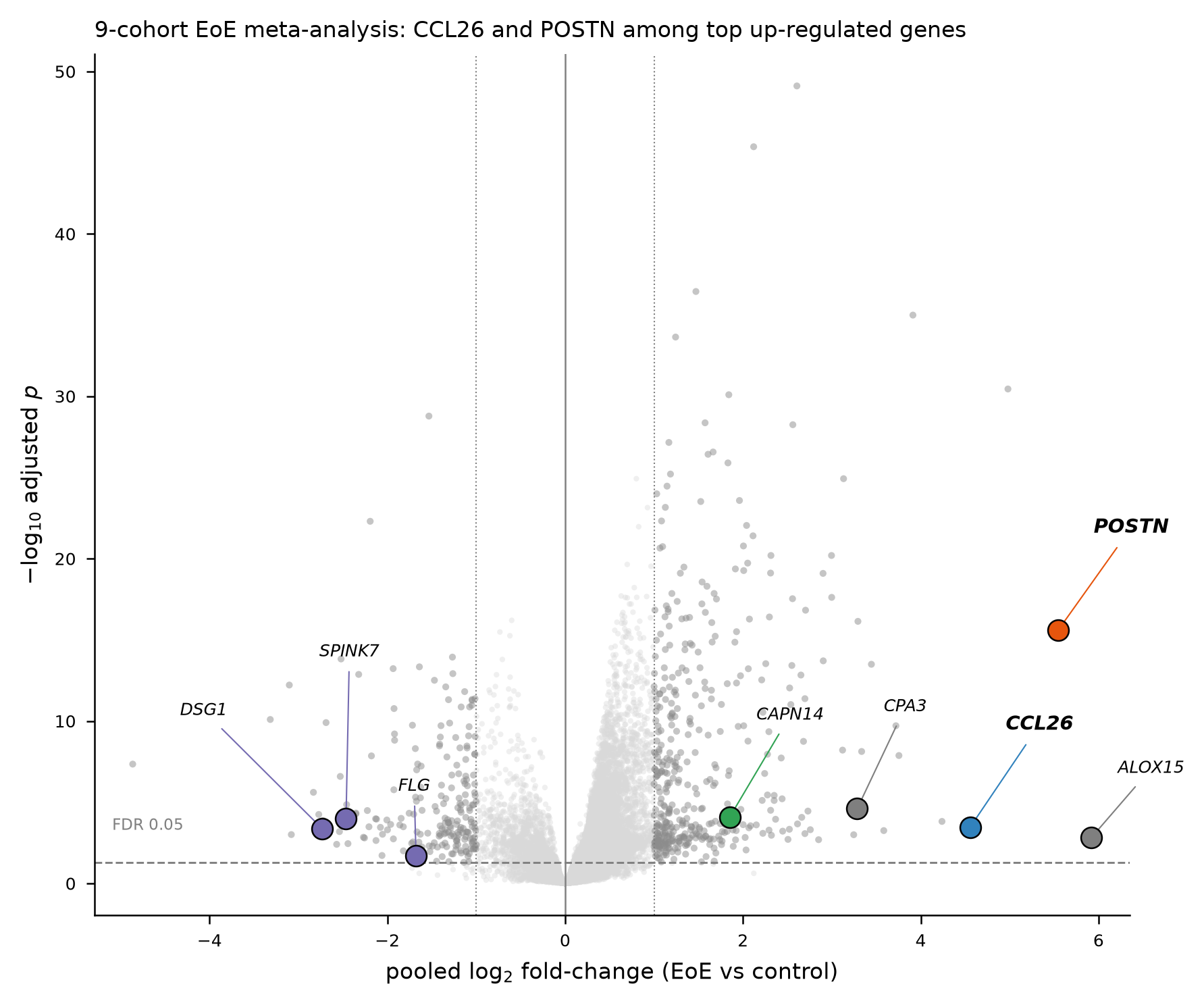
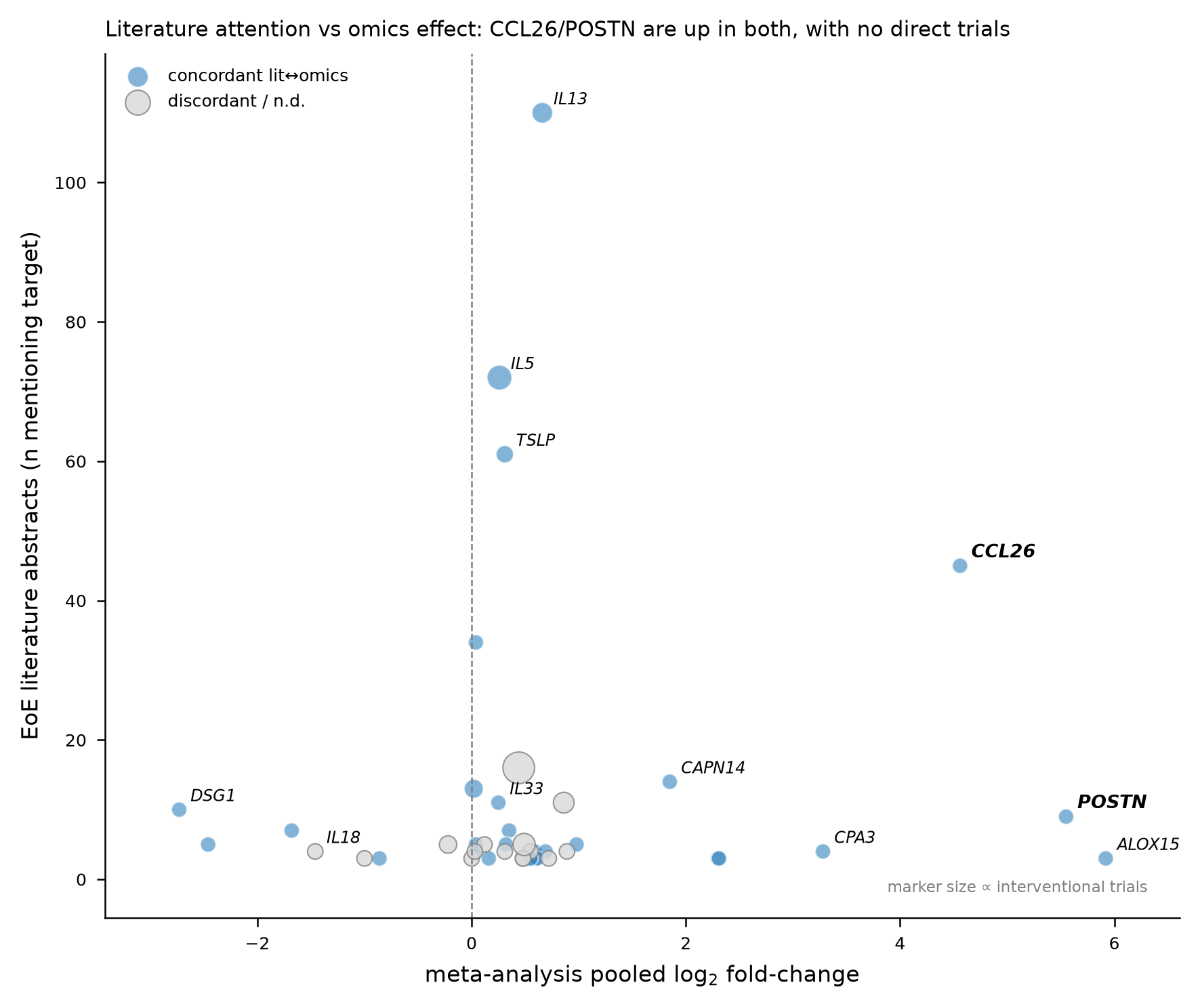
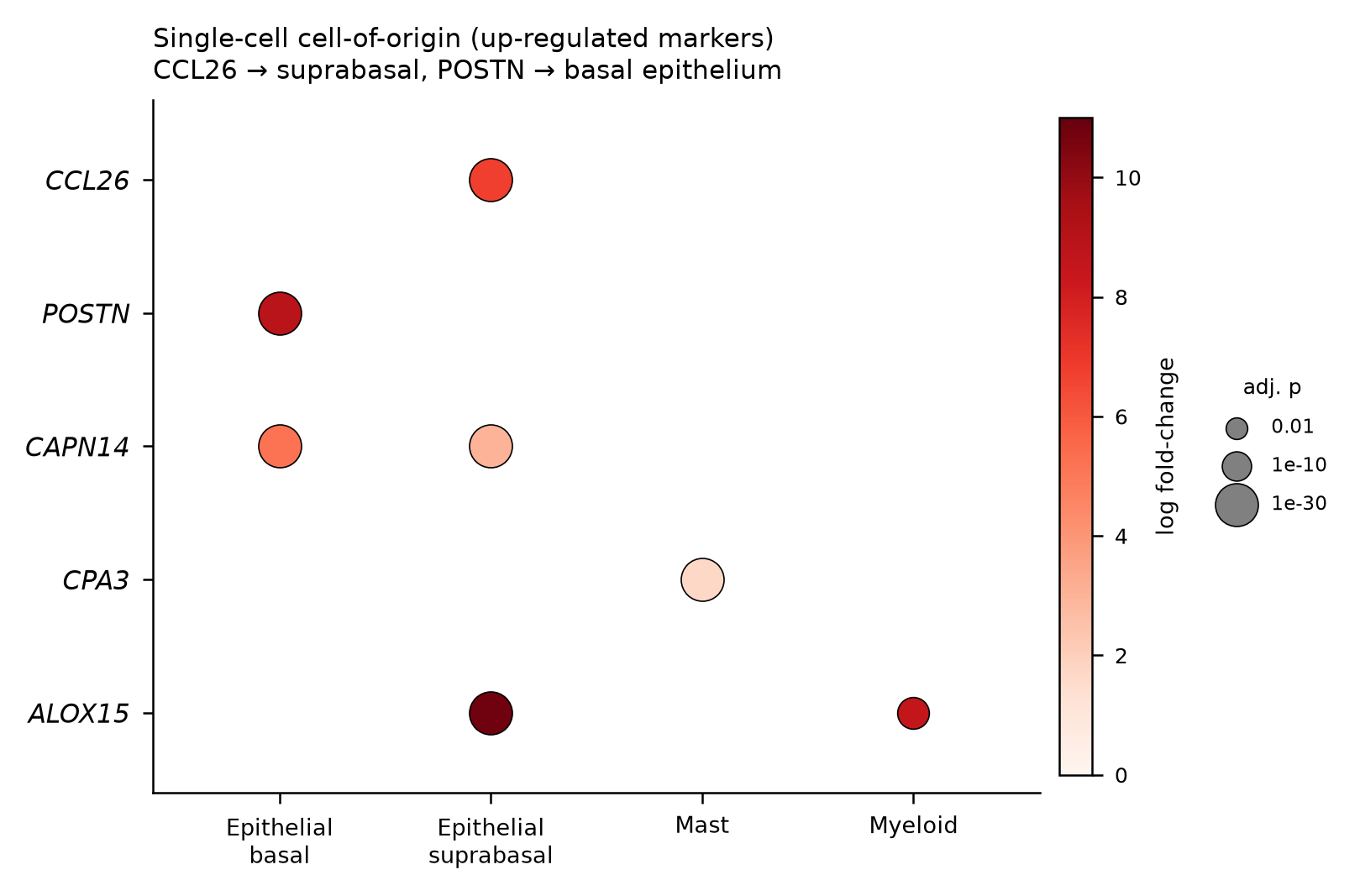
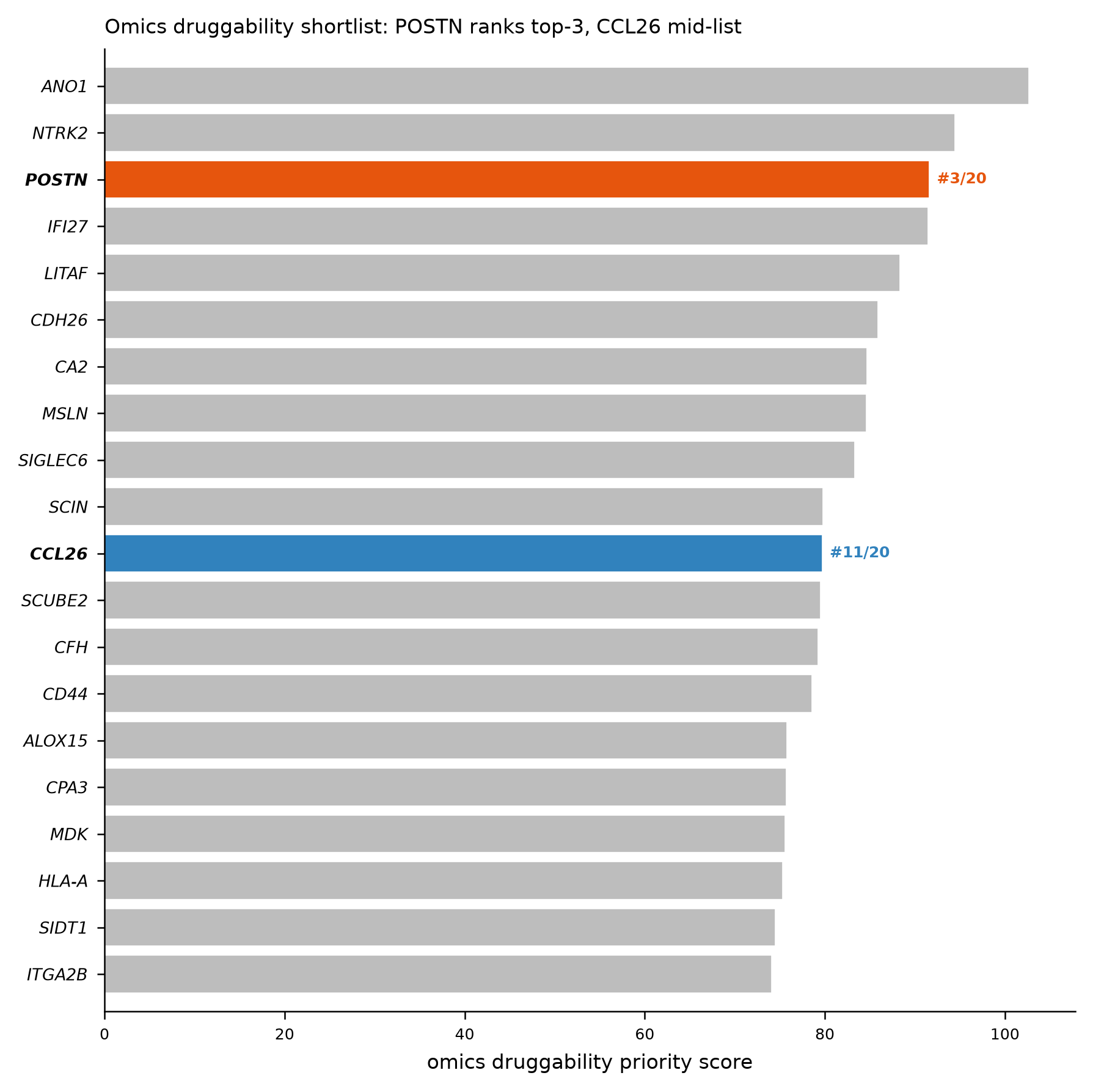
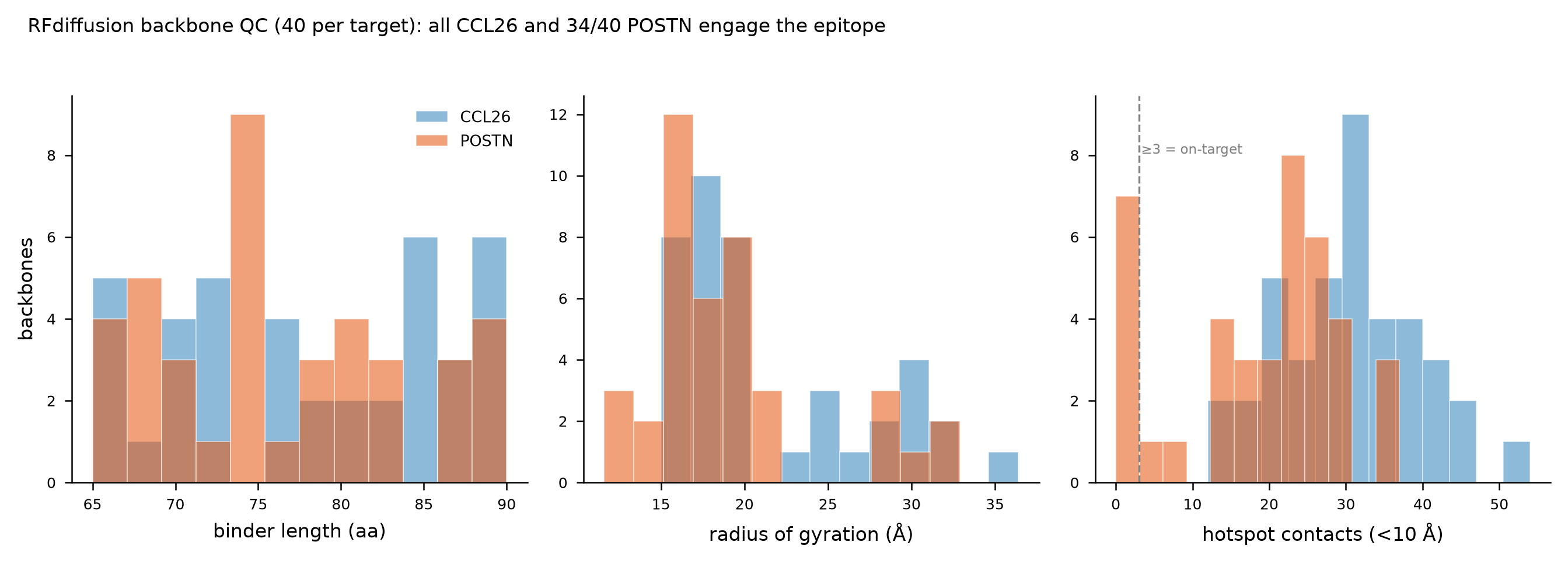
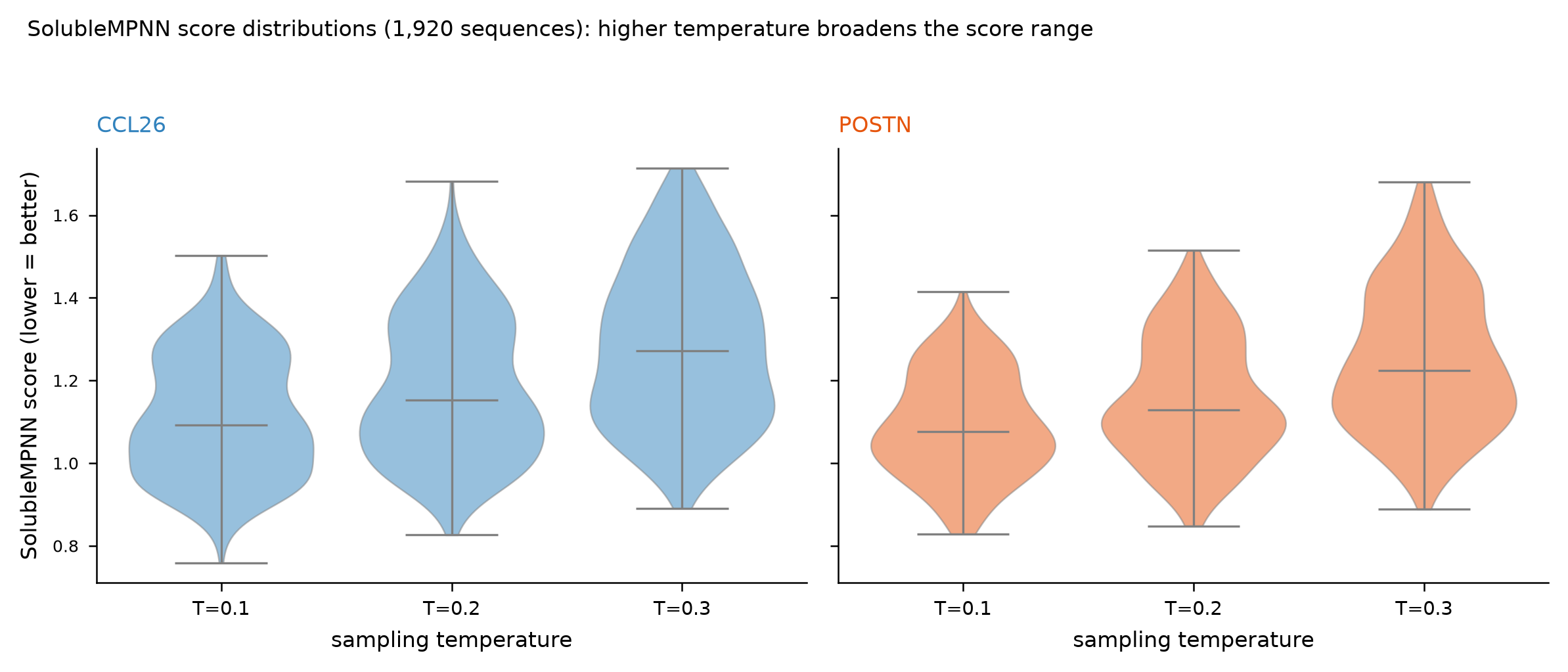
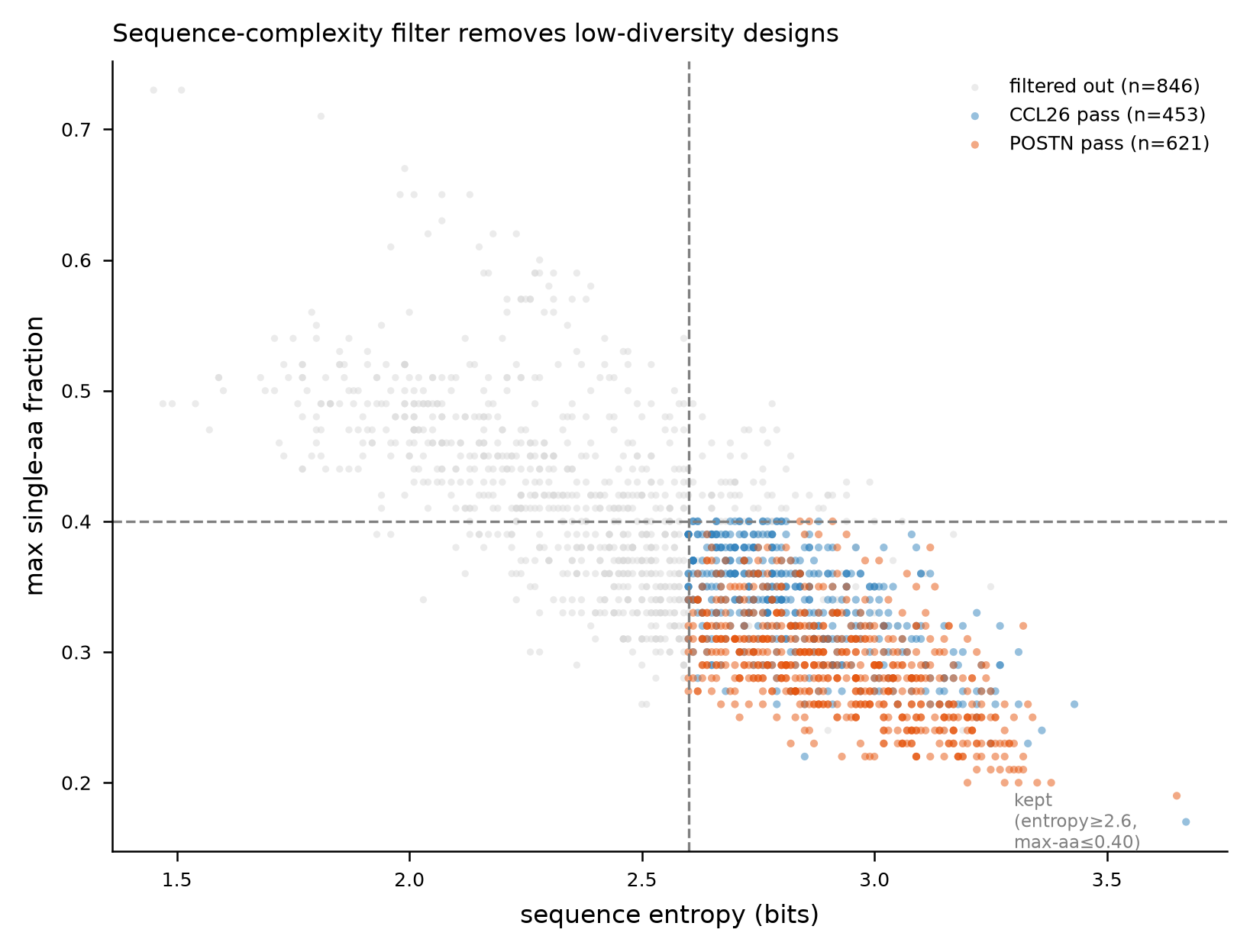
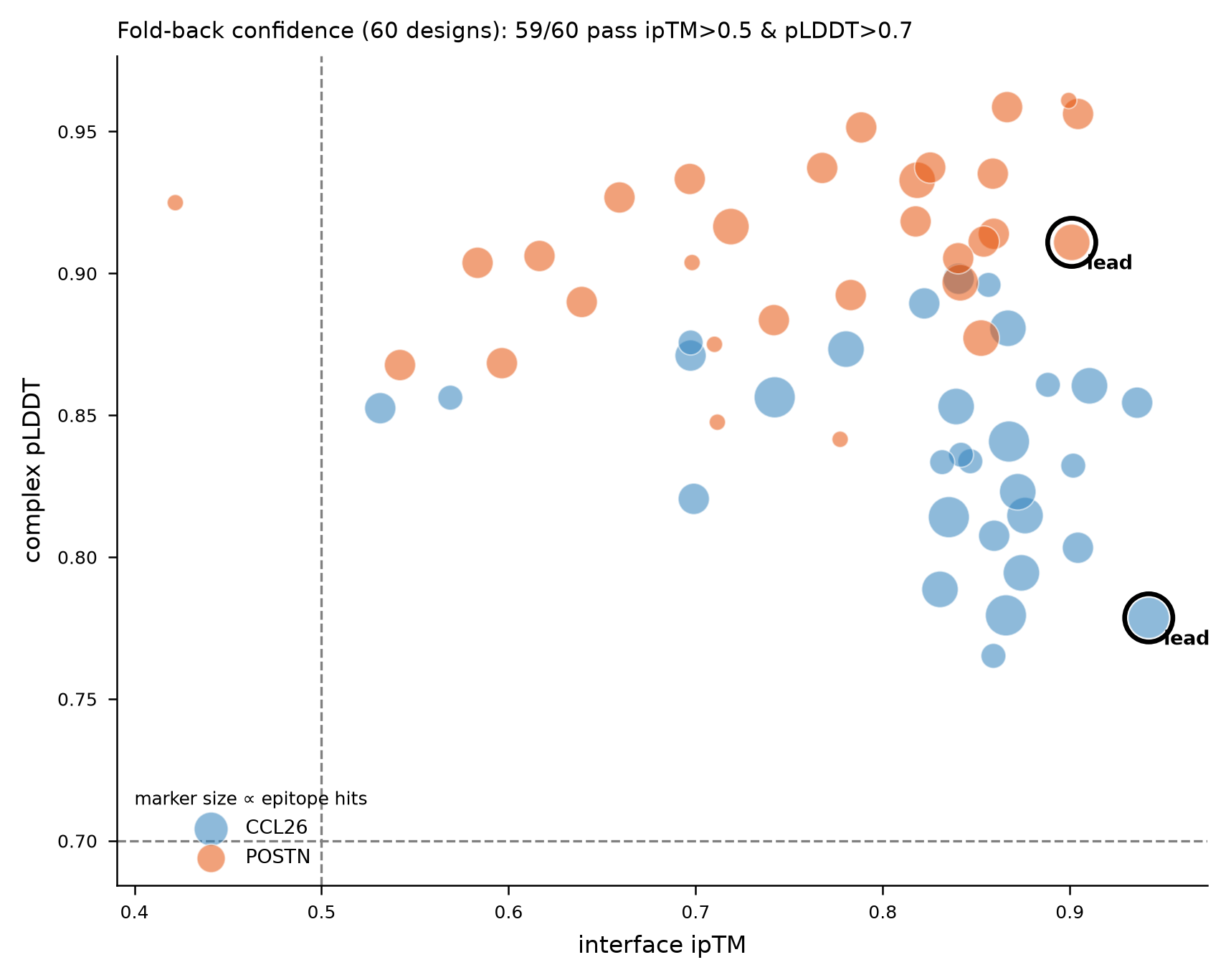
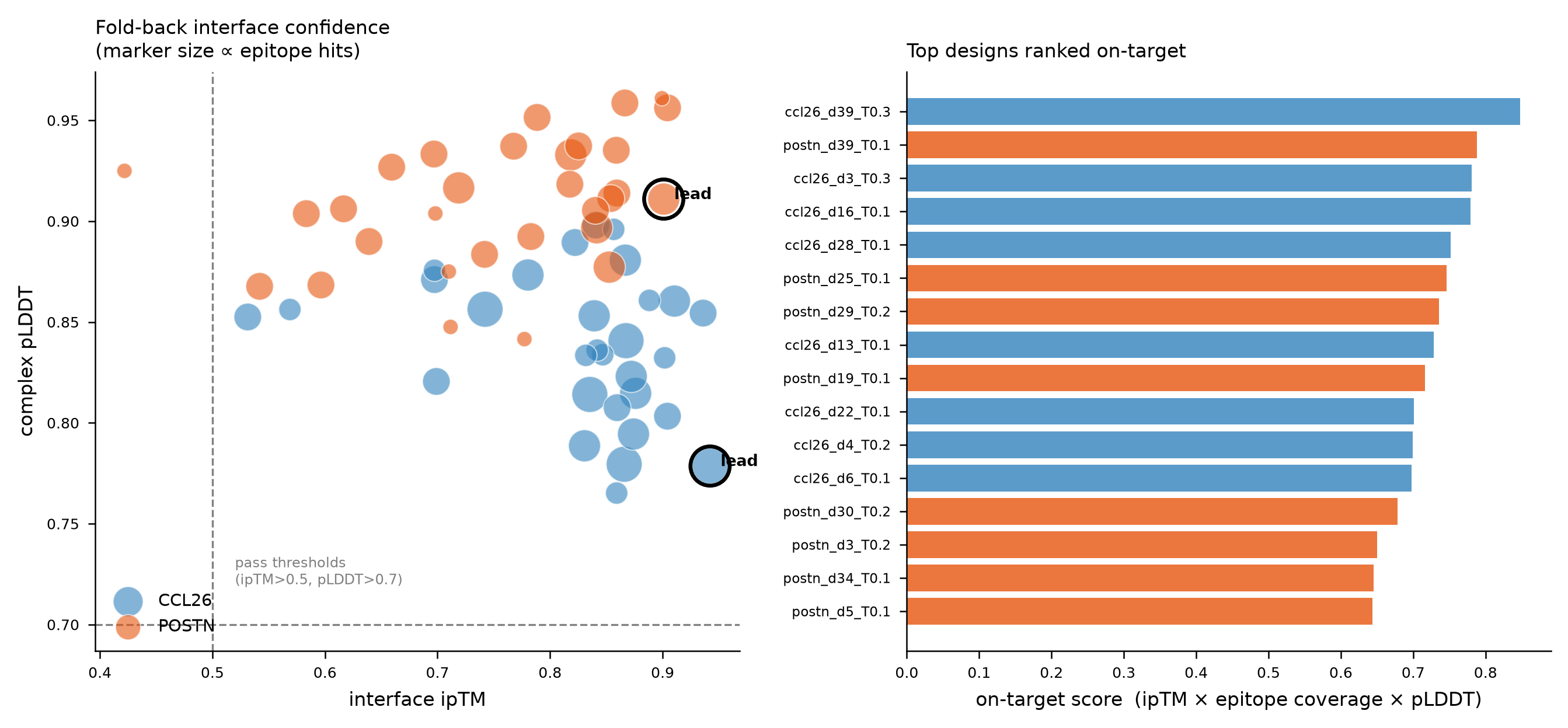
No final agent message was recorded, so the specific planning discussion or credit-allocation decisions from this session are not available. However, the artifacts generated during the session indicate that substantial applied work on an eosinophilic esophagitis (EoE) protein therapeutics project occurred, including target selection analysis, protein binder design against POSTN and CCL26, structural modeling/scoring (e.g., mpnn_scored.csv), and manuscript preparation. This suggests the credit-planning exercise coincided with (or fed into) hands-on computational biology work rather than being purely a strategic discussion.
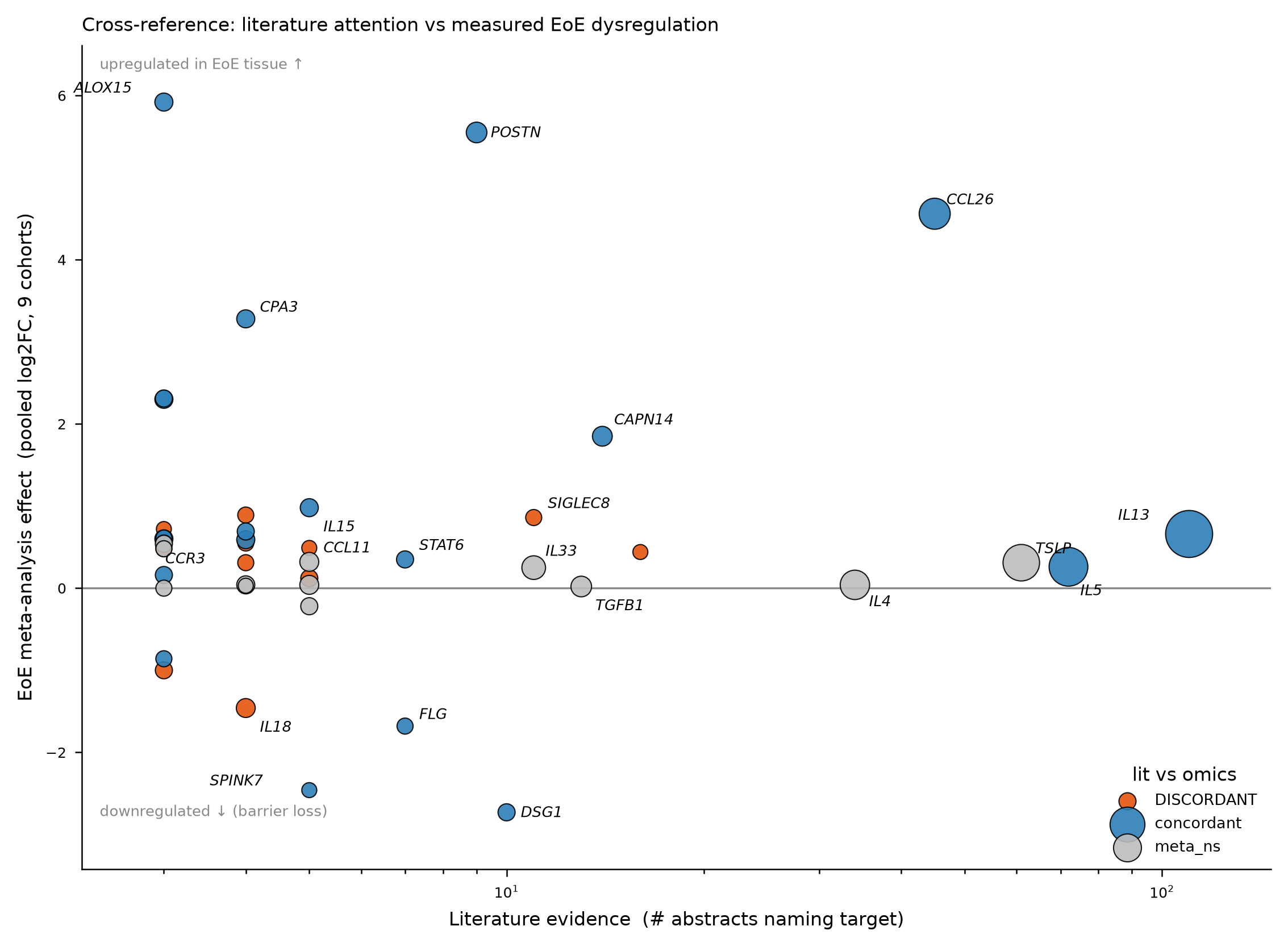
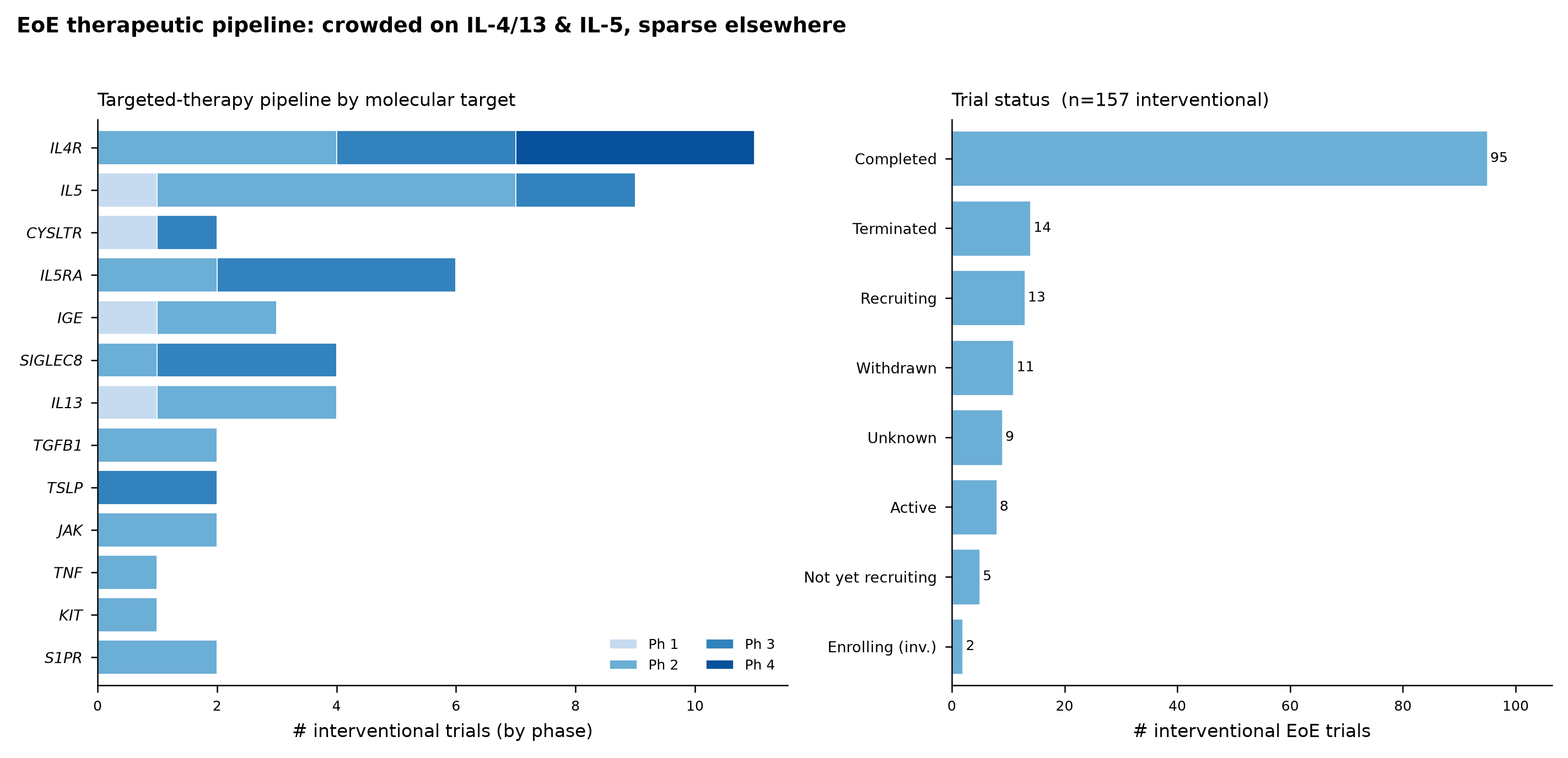
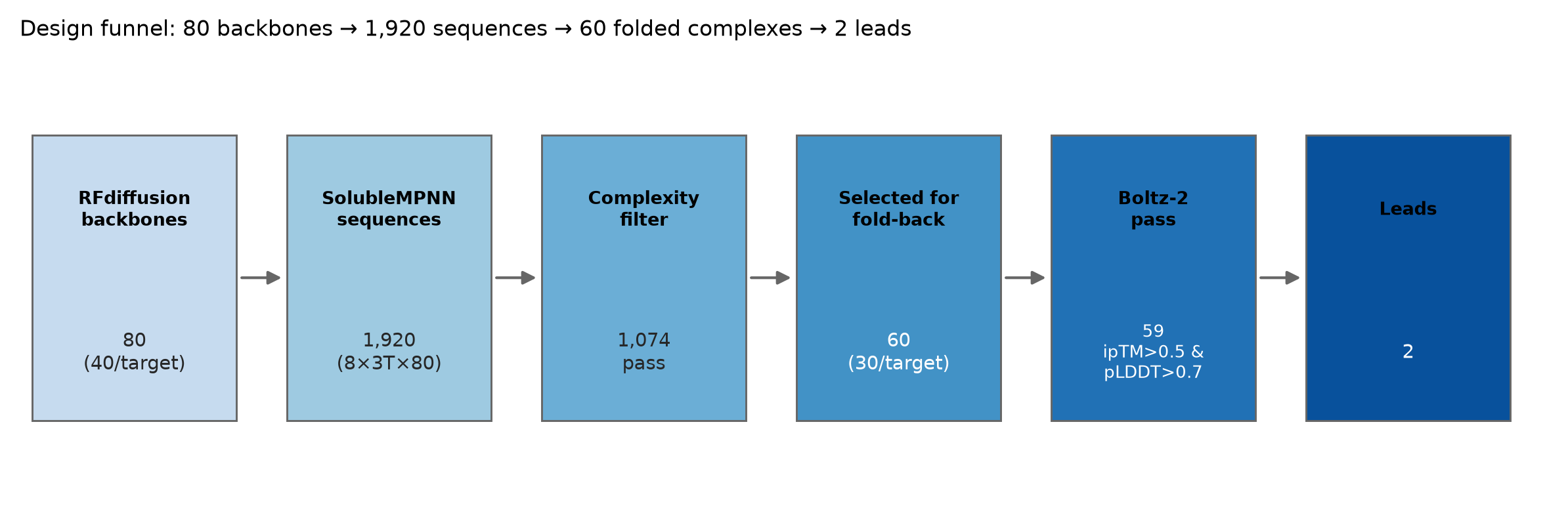
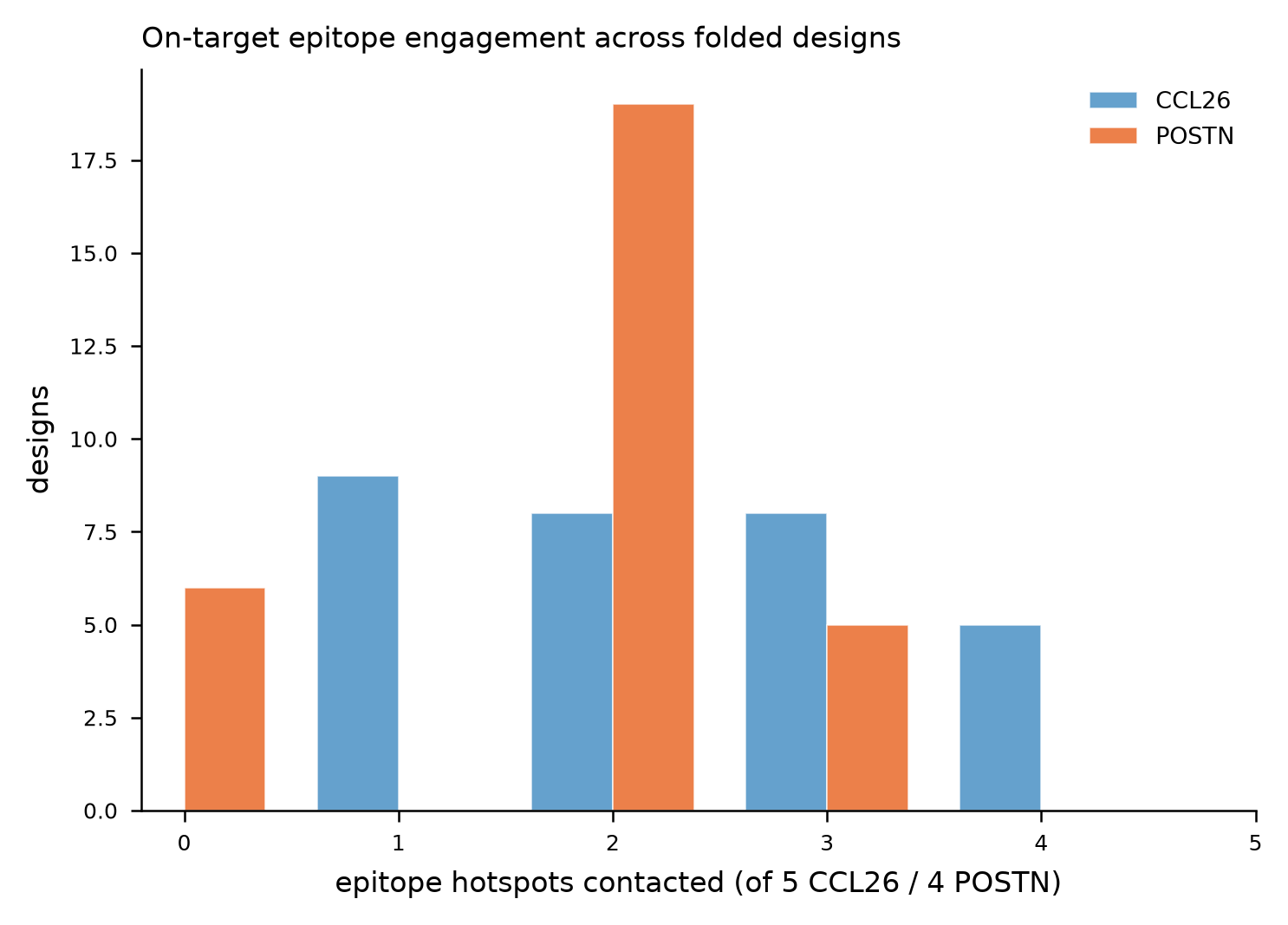
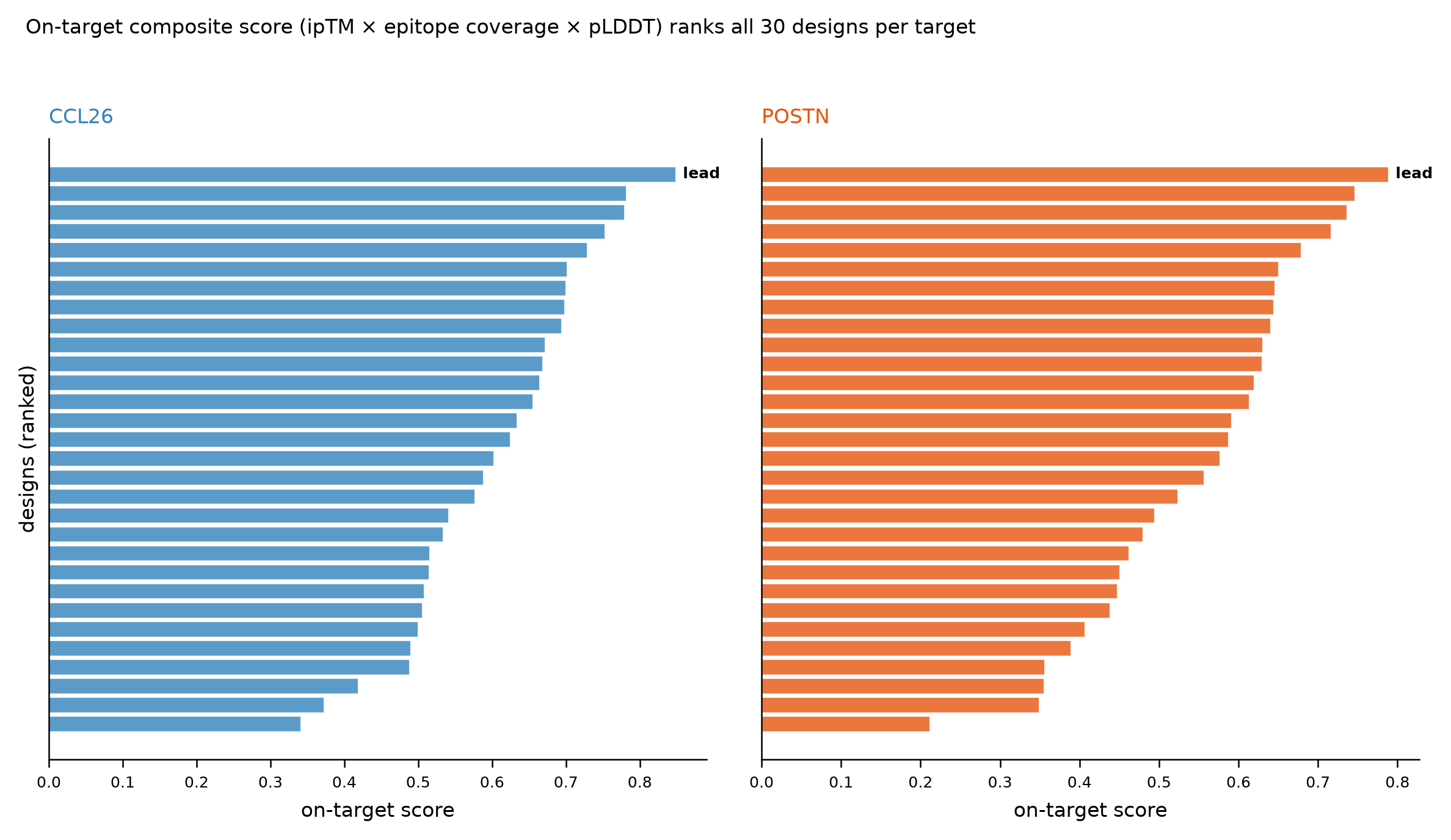
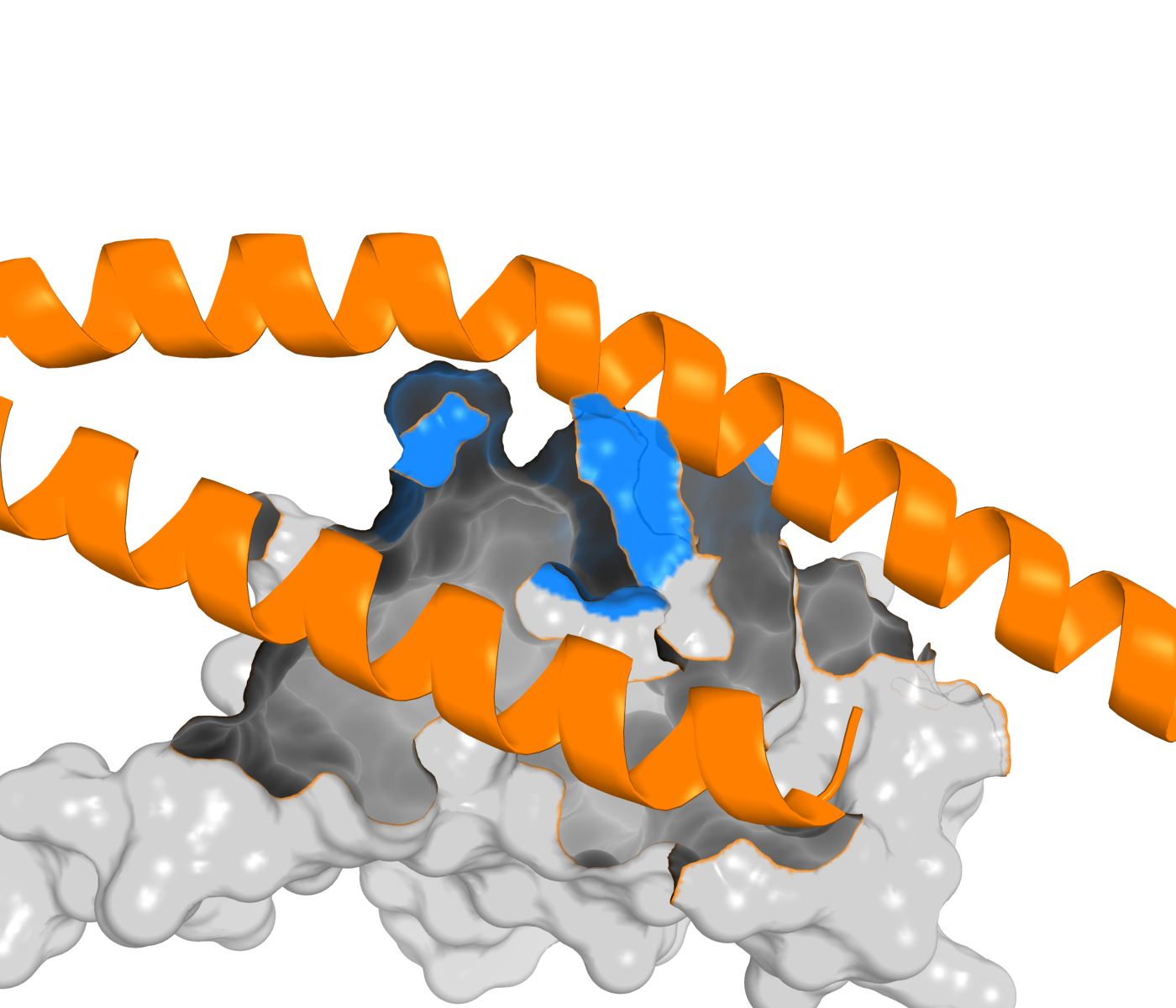
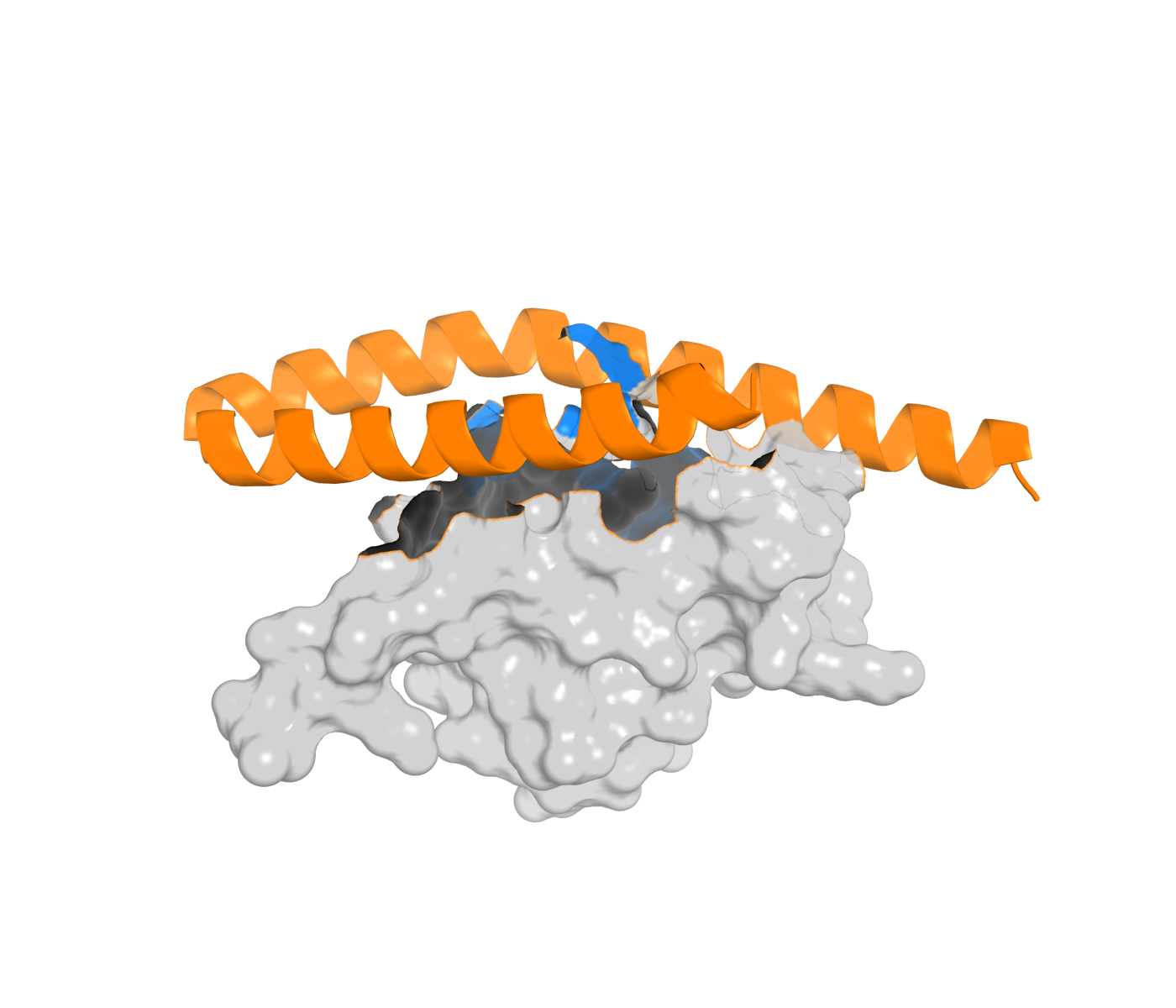
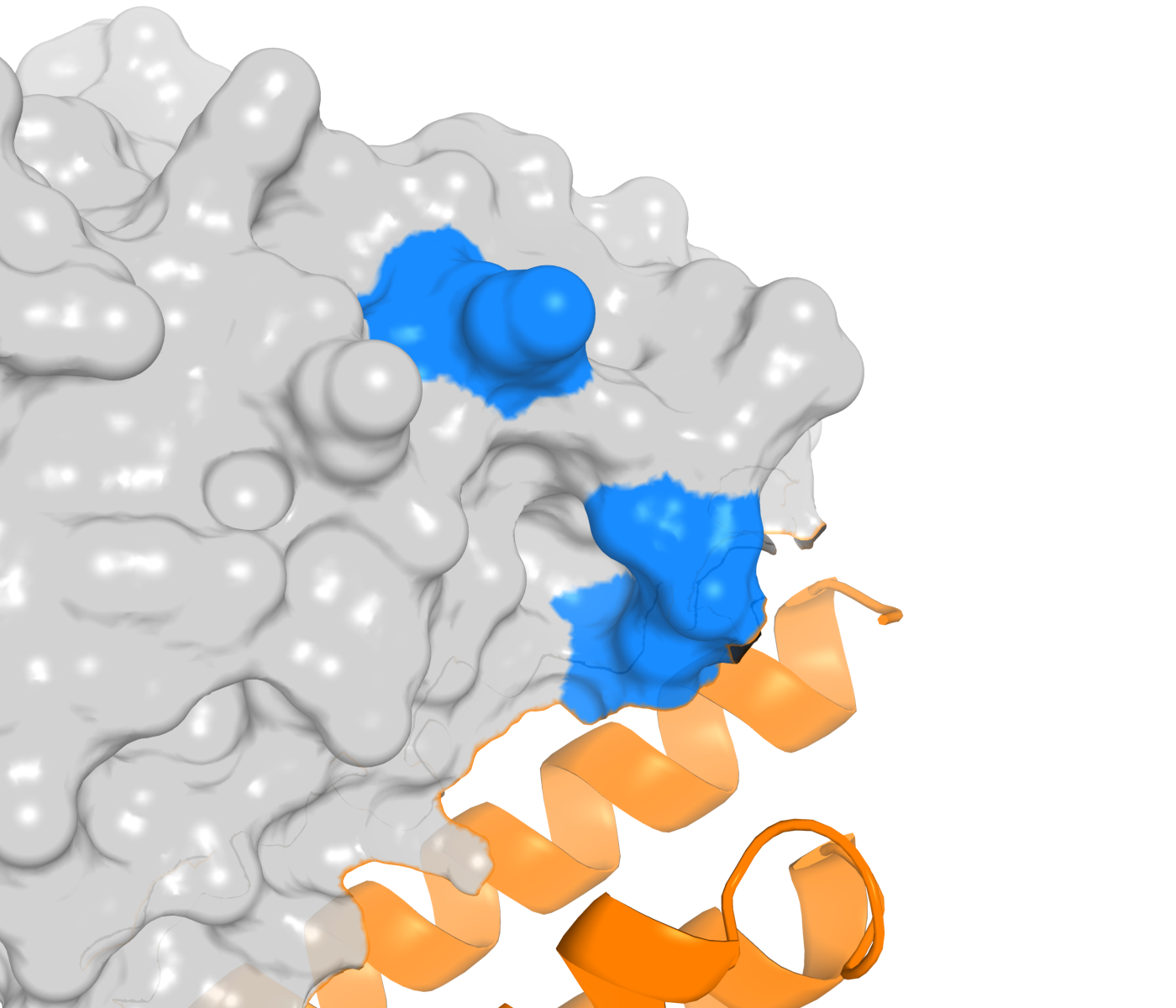
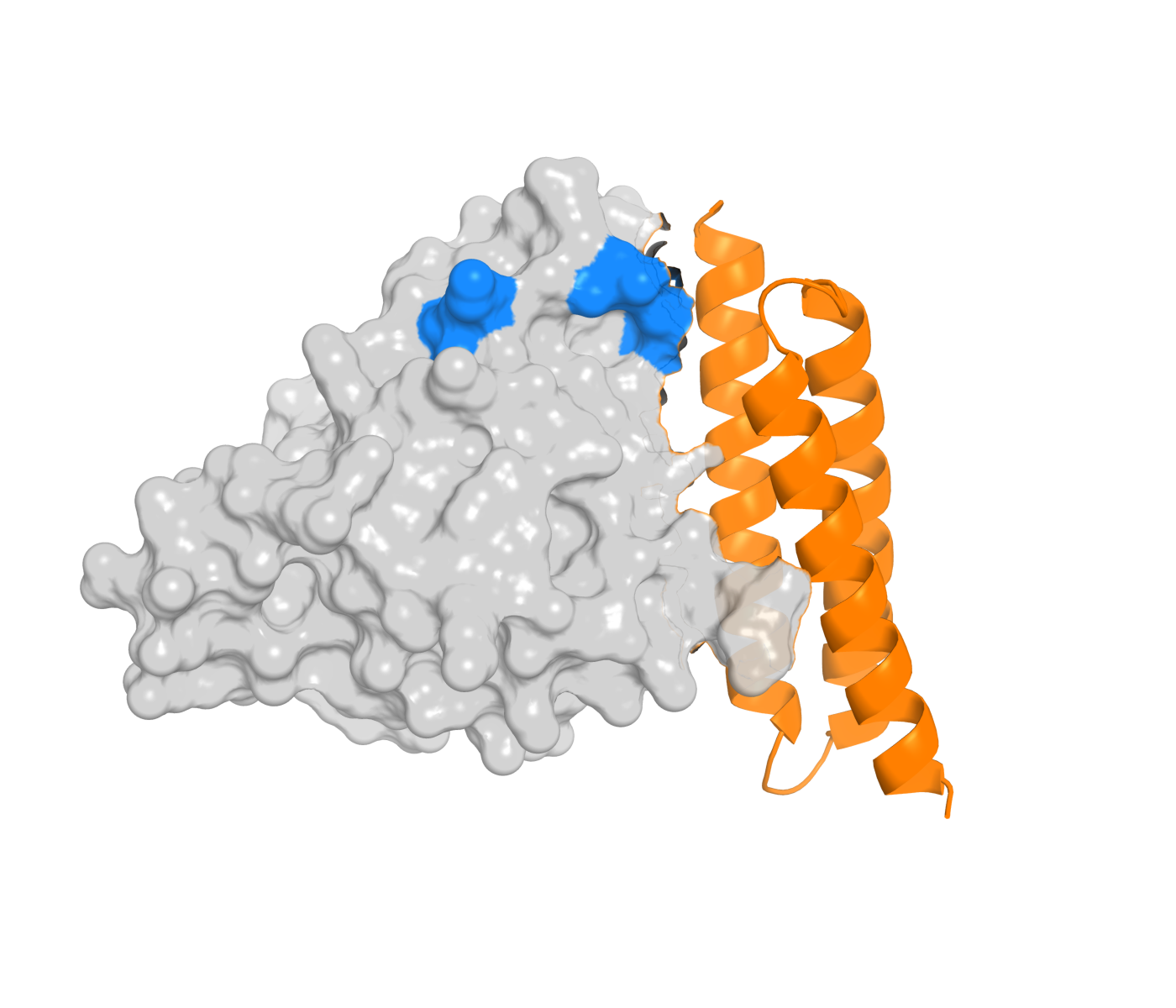
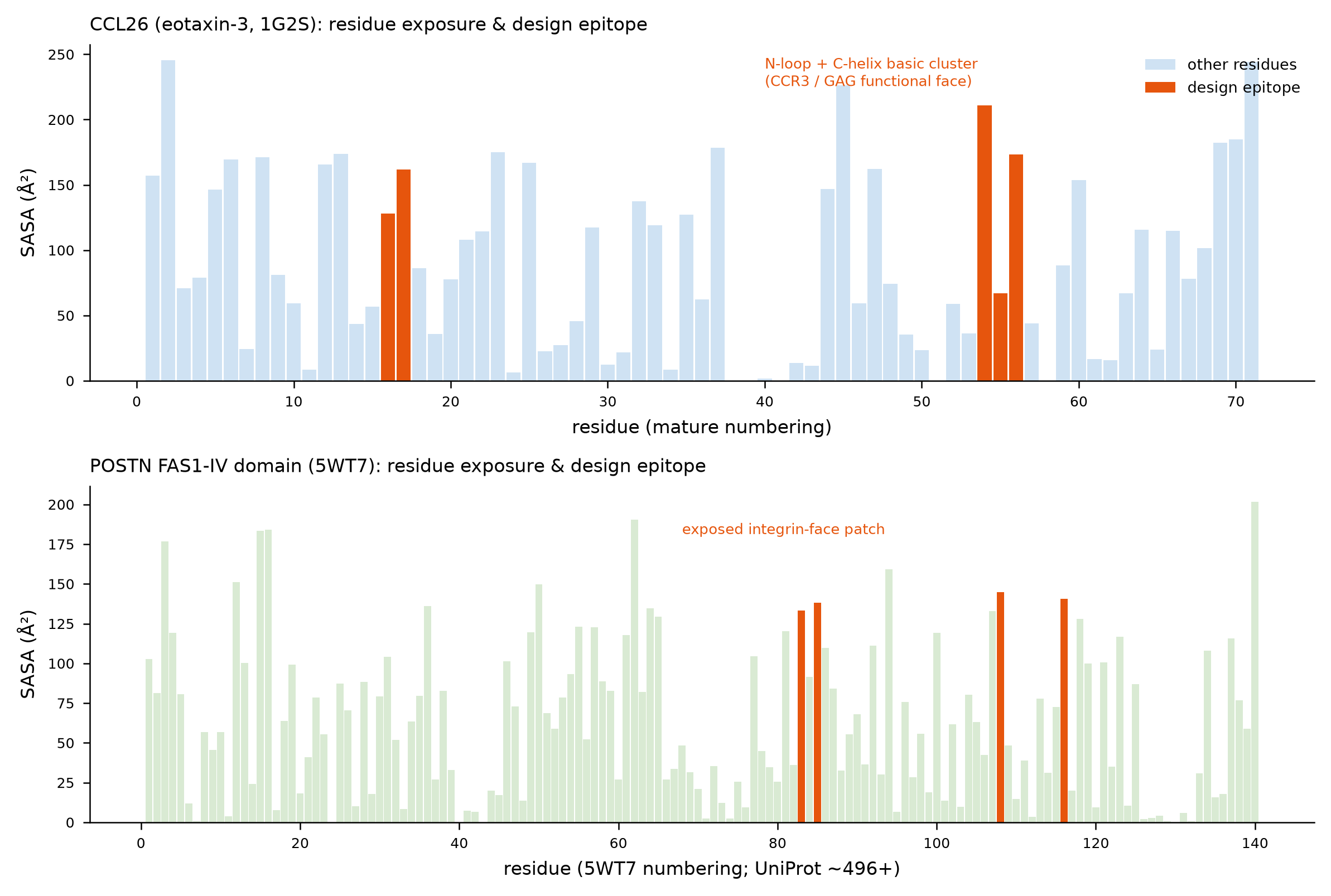
Key deliverables include a full manuscript and supplementary document (EoE_manuscript.pdf/.docx, EoE_supplementary.pdf/.docx, EoE_manuscript.md), structural files and complexes for the two targets (POSTN_target.pdb, POSTN_lead_complex.pdb, CCL26_target.pdb, CCL26_lead_complex.pdb, binder_backbones.tar.gz), 360-degree visualization videos (POSTN_binder_complex_360.mp4, CCL26_binder_complex_360.mp4), and a large set of figures covering the pipeline, target landscape, scoring metrics