Adapt and apply our EoE research framework and methodologies to celiac disease, leveraging existing skills, manuscripts, and learnings from the EoE project to model food-antigen-mediated immune responses in celiac disease.
This session aimed to adapt the team's existing EoE research framework and methodologies to celiac disease, applying prior skills, manuscripts, and learnings to model food-antigen-mediated immune responses in celiac disease.
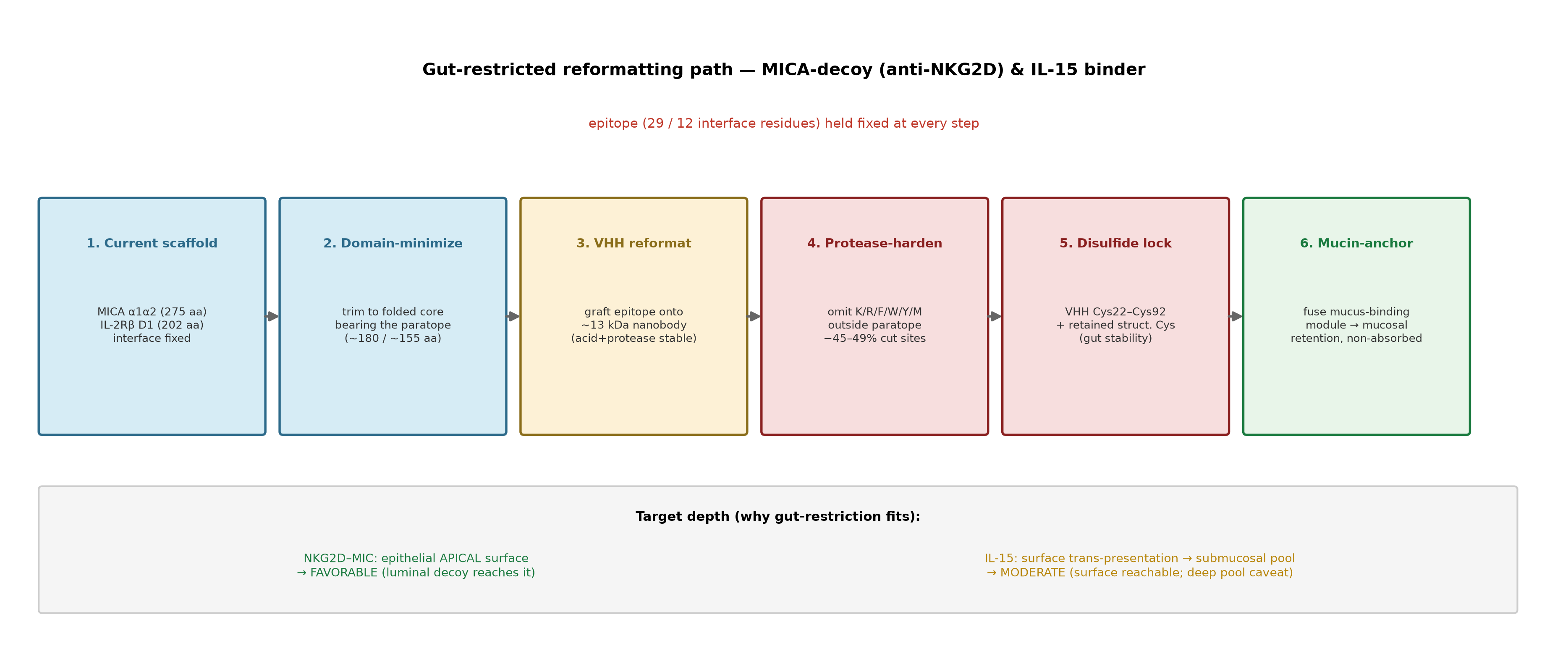
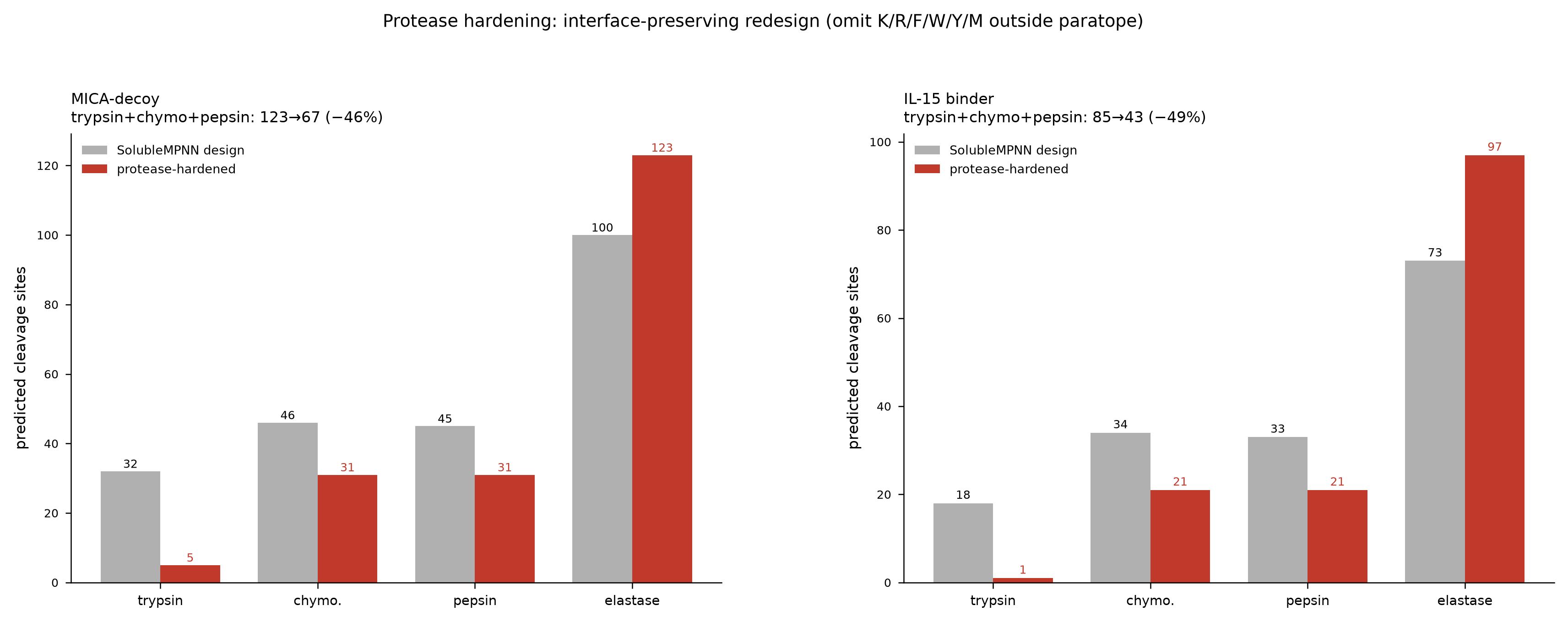
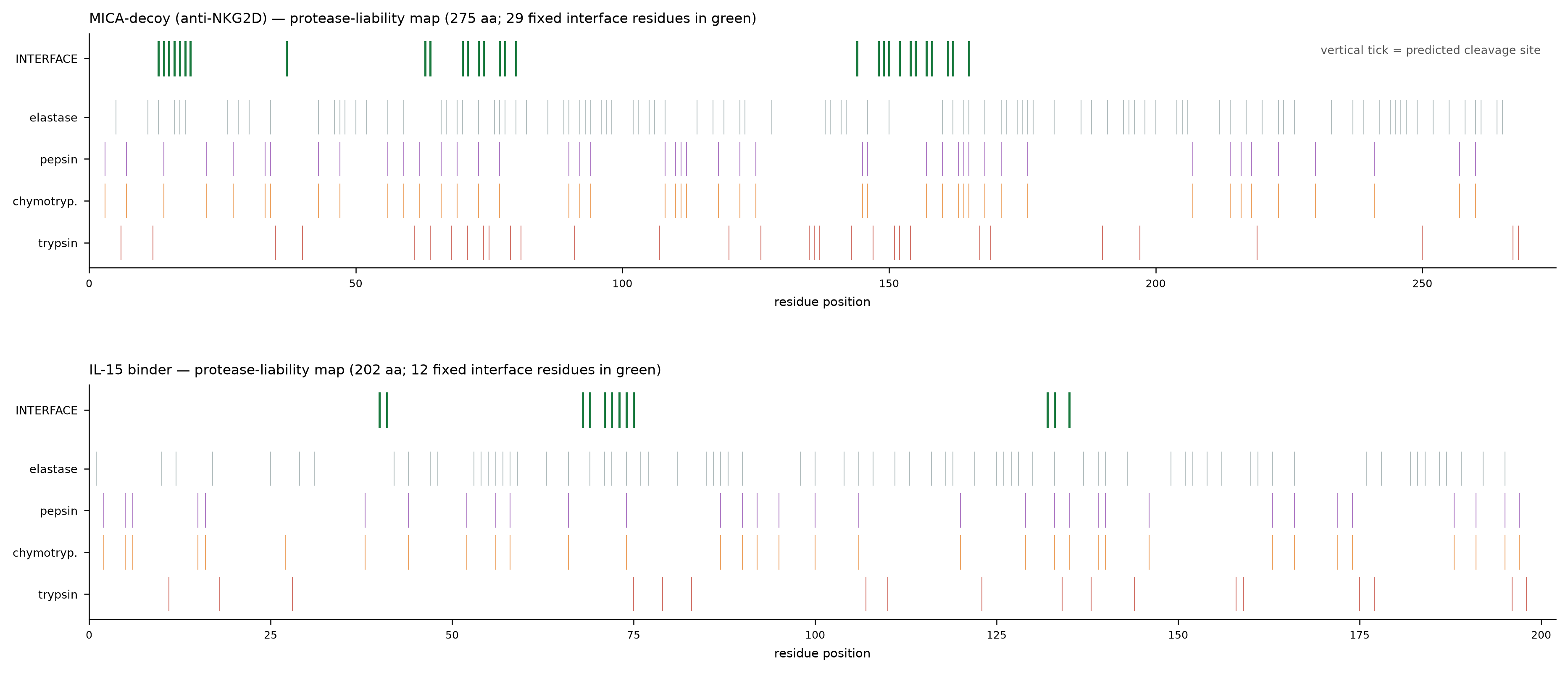
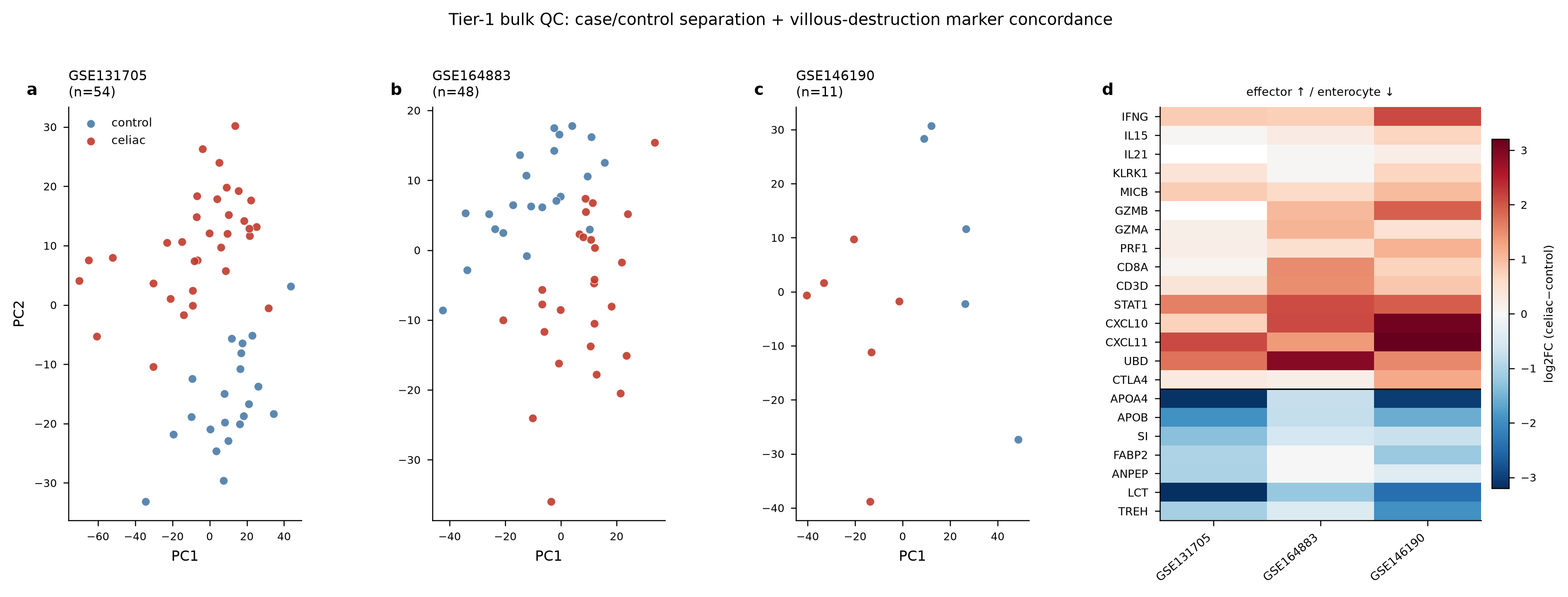
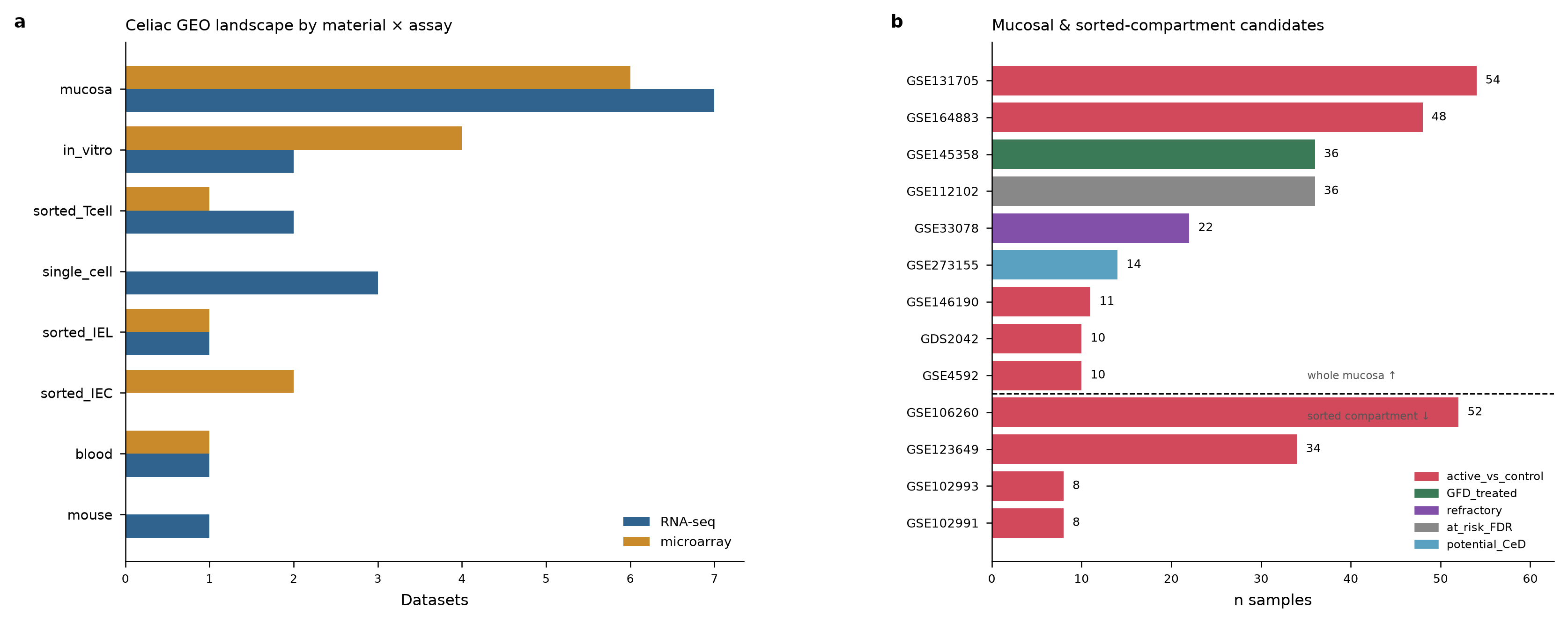
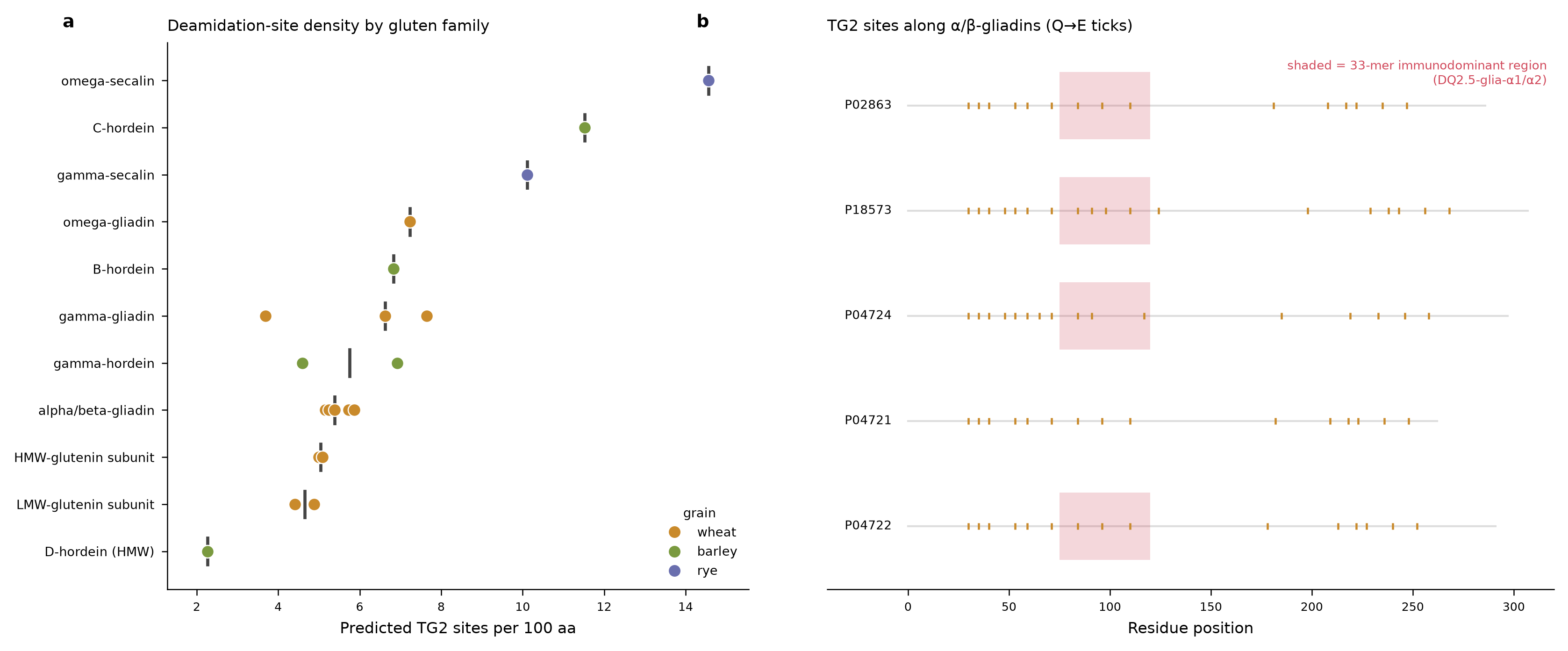
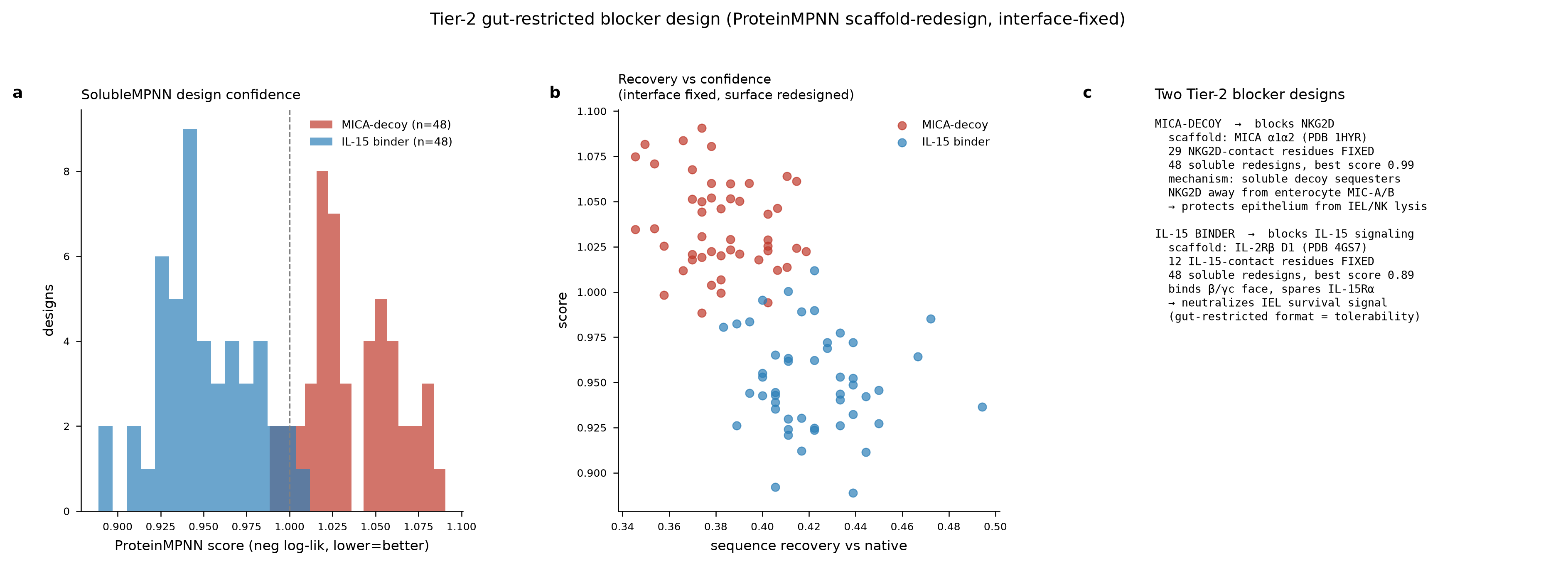
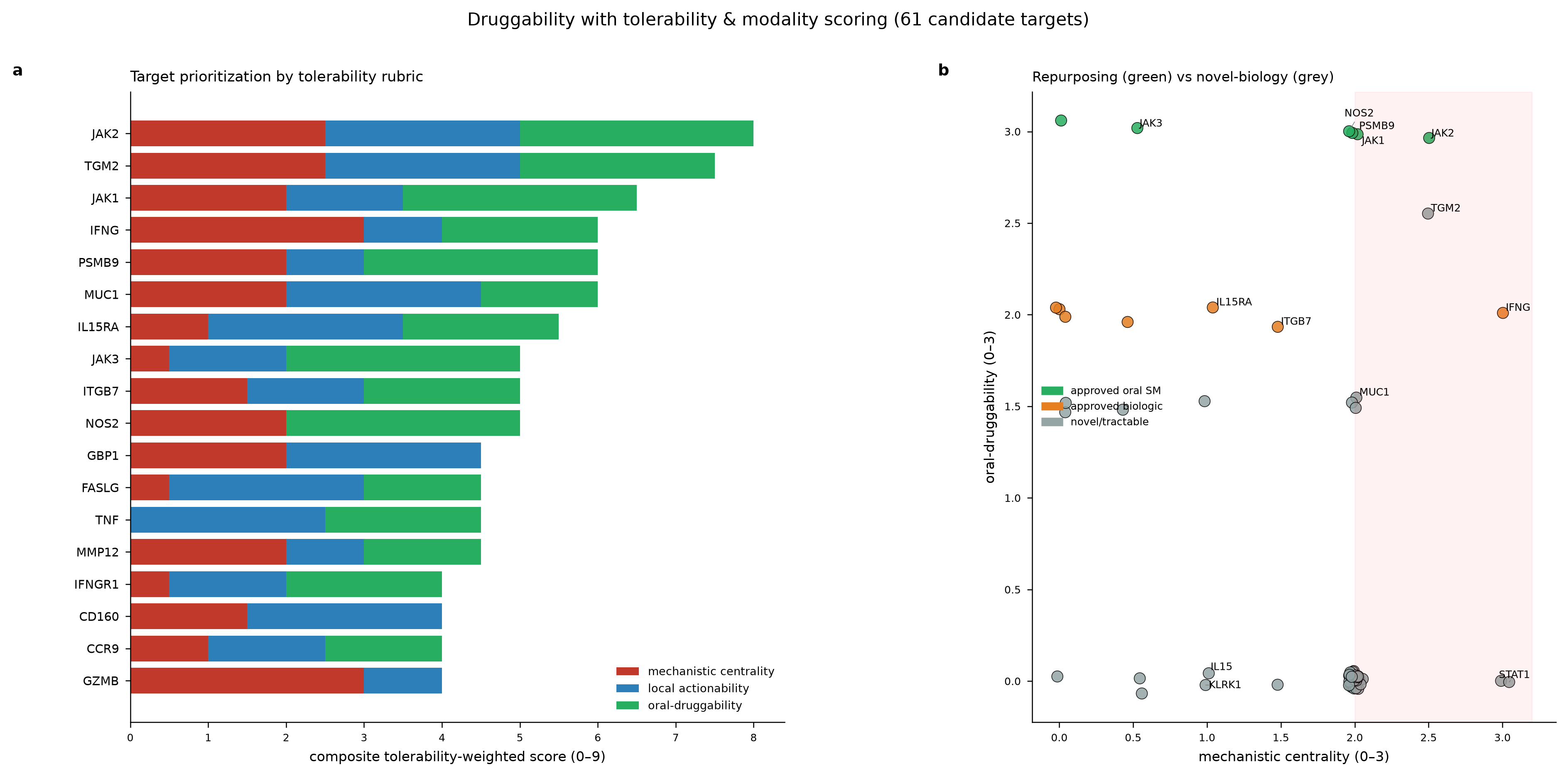
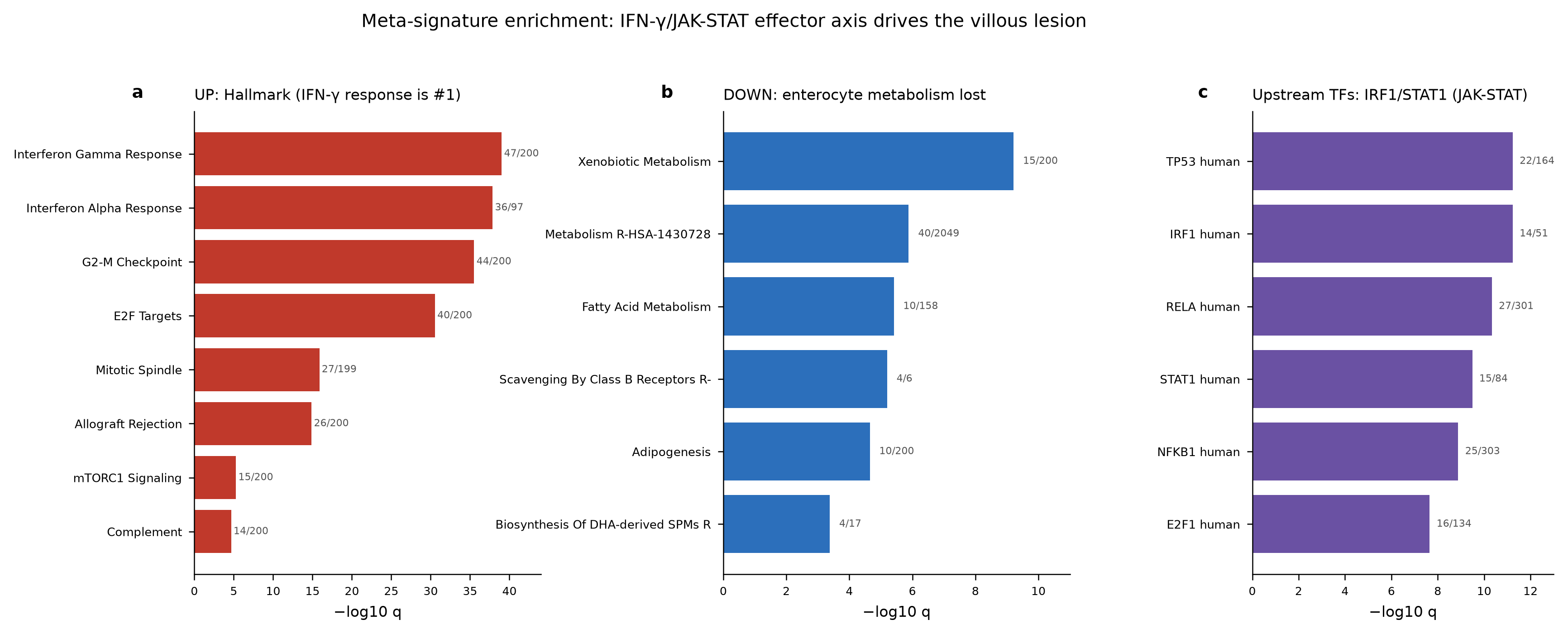
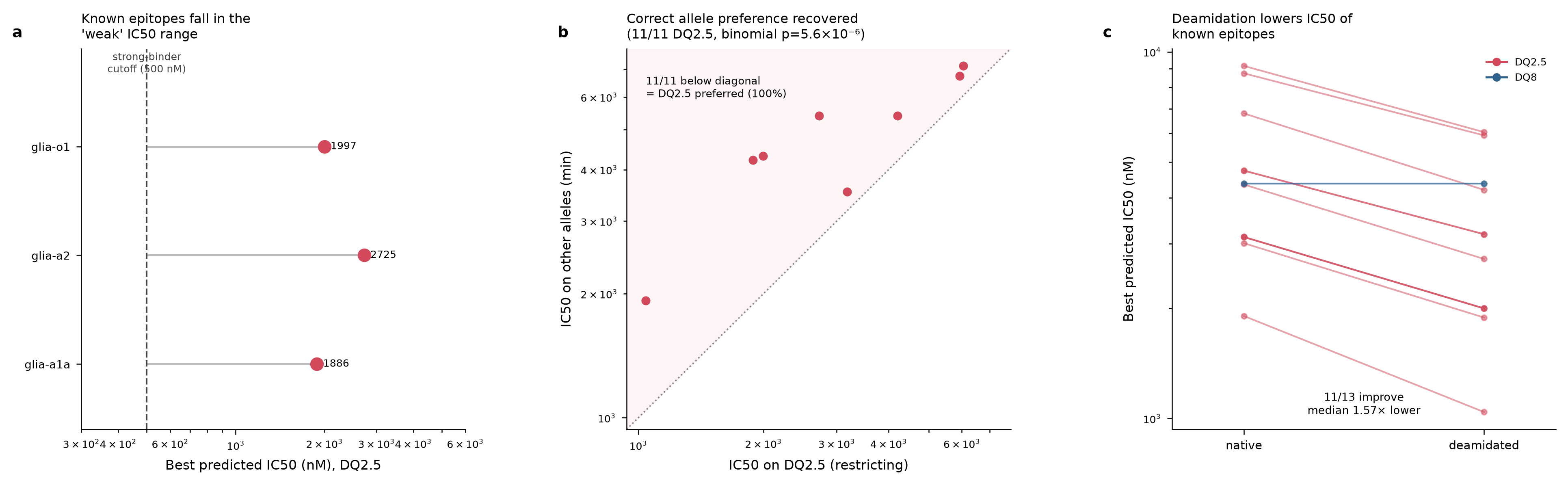
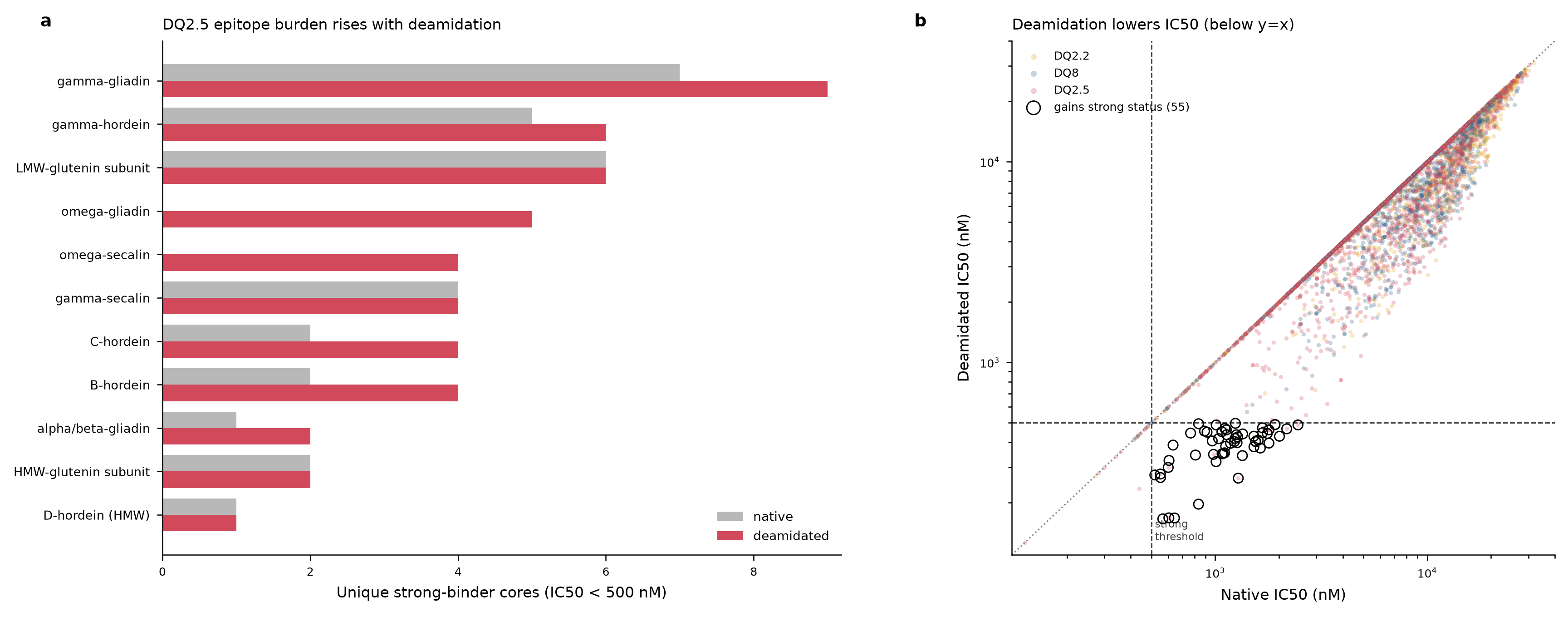
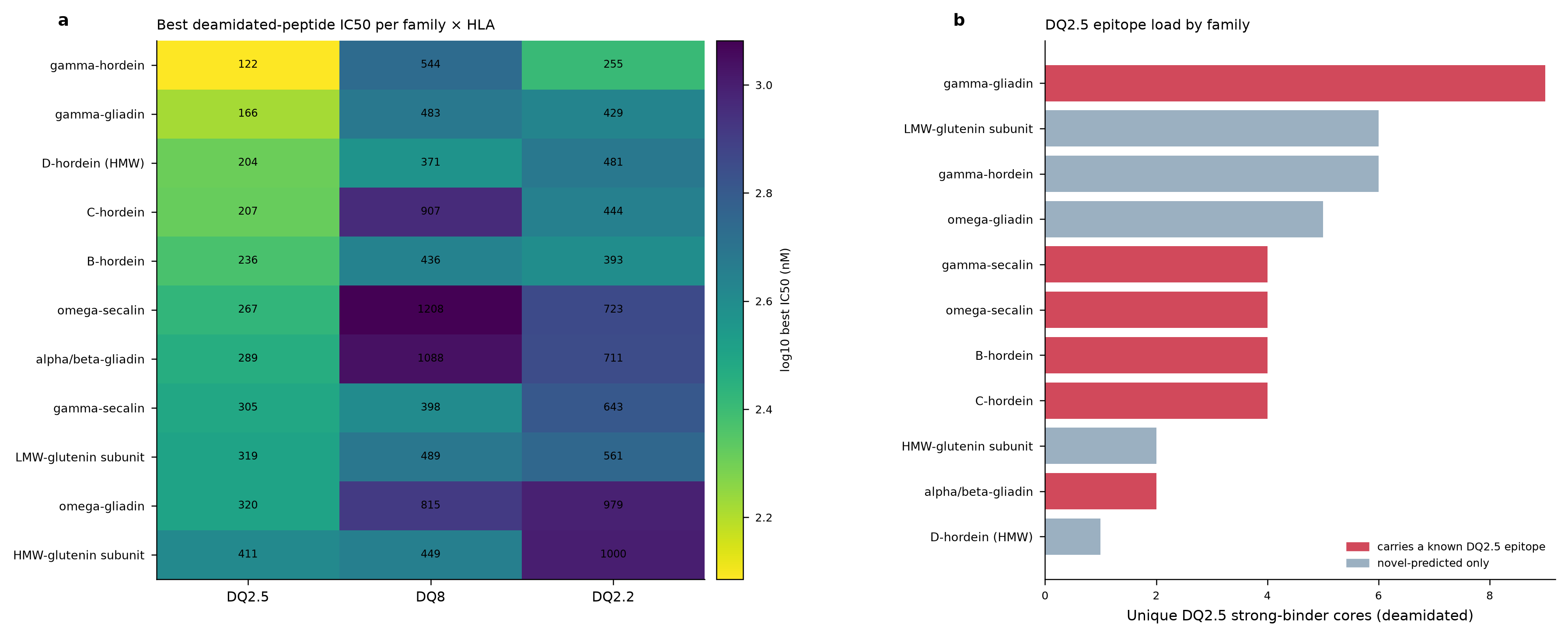
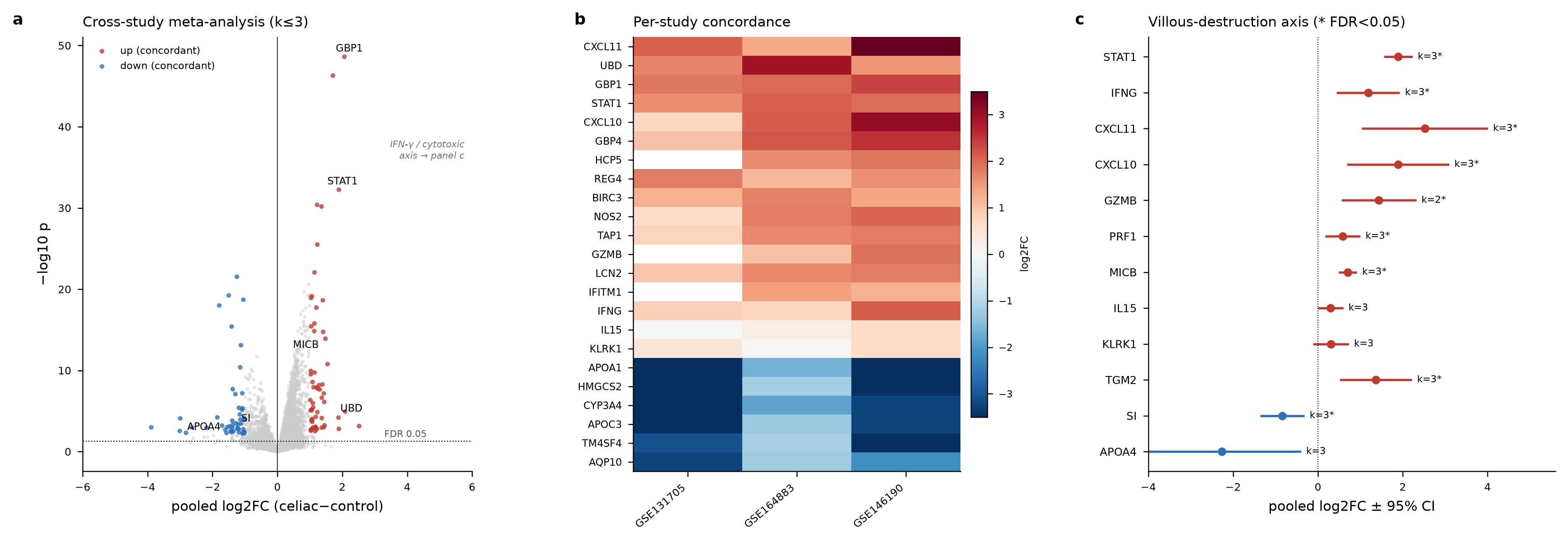
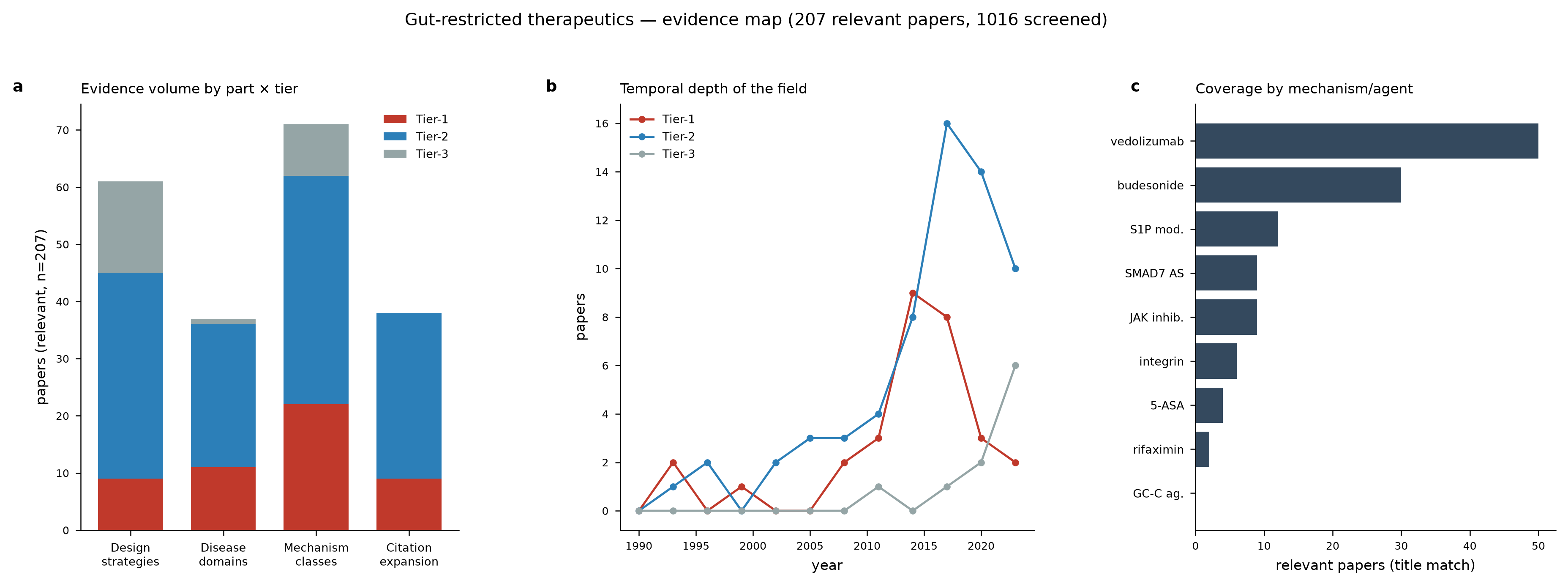
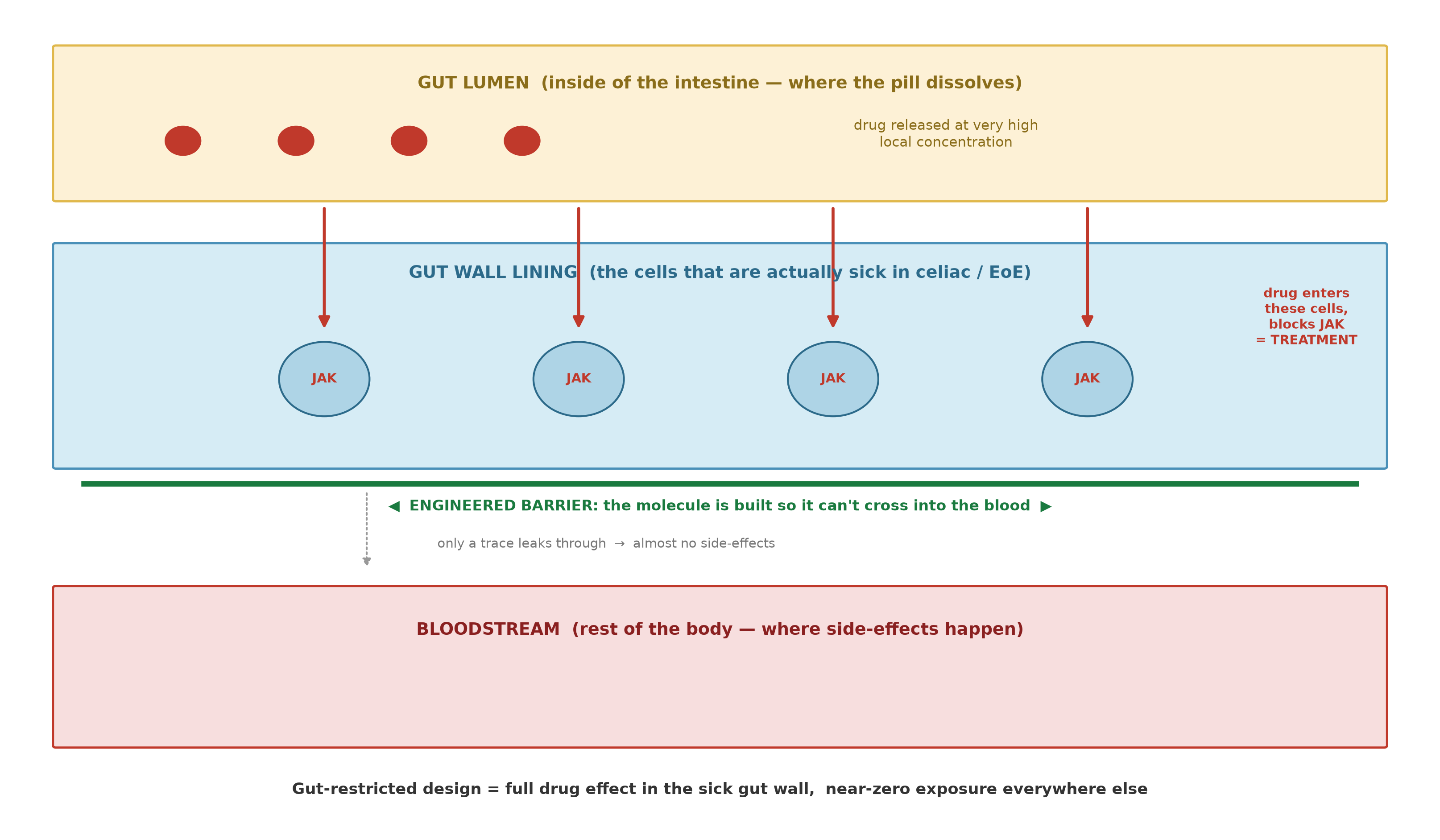
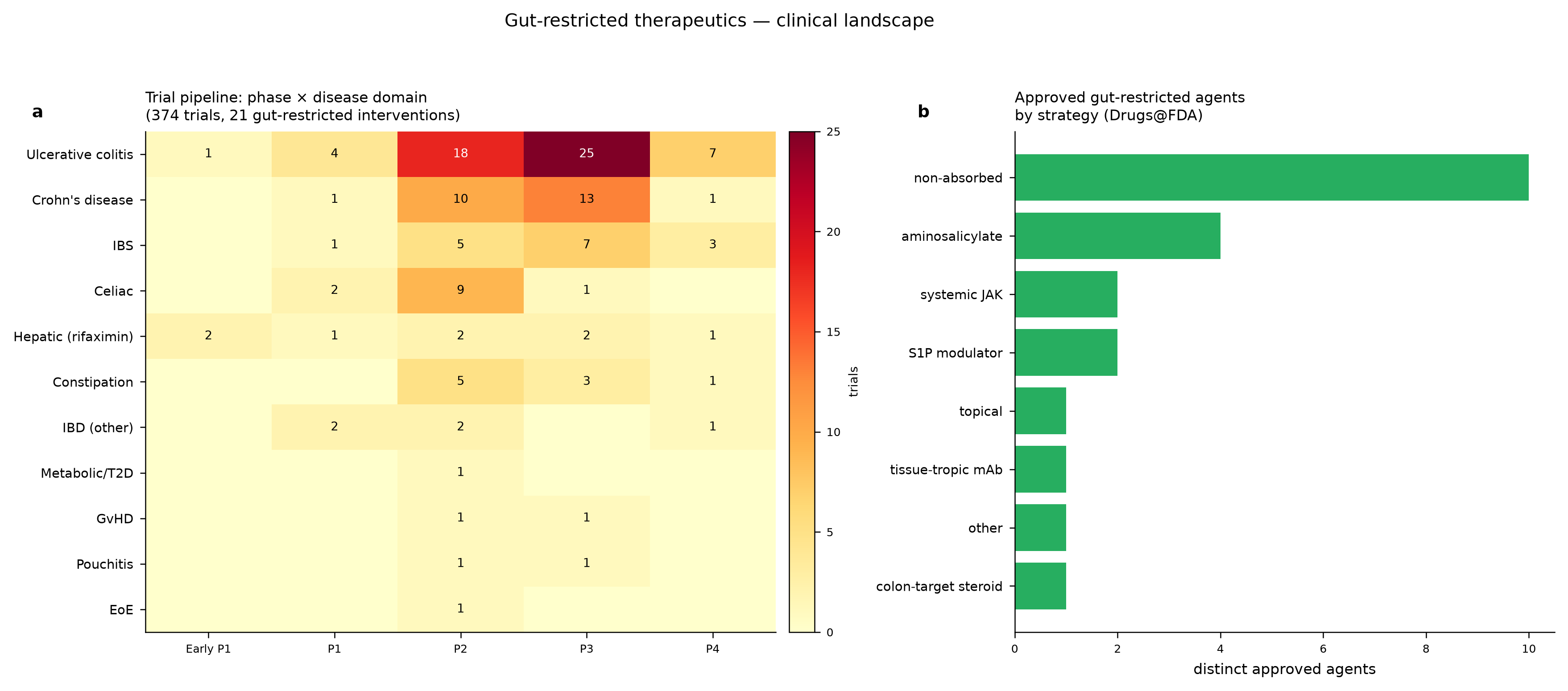
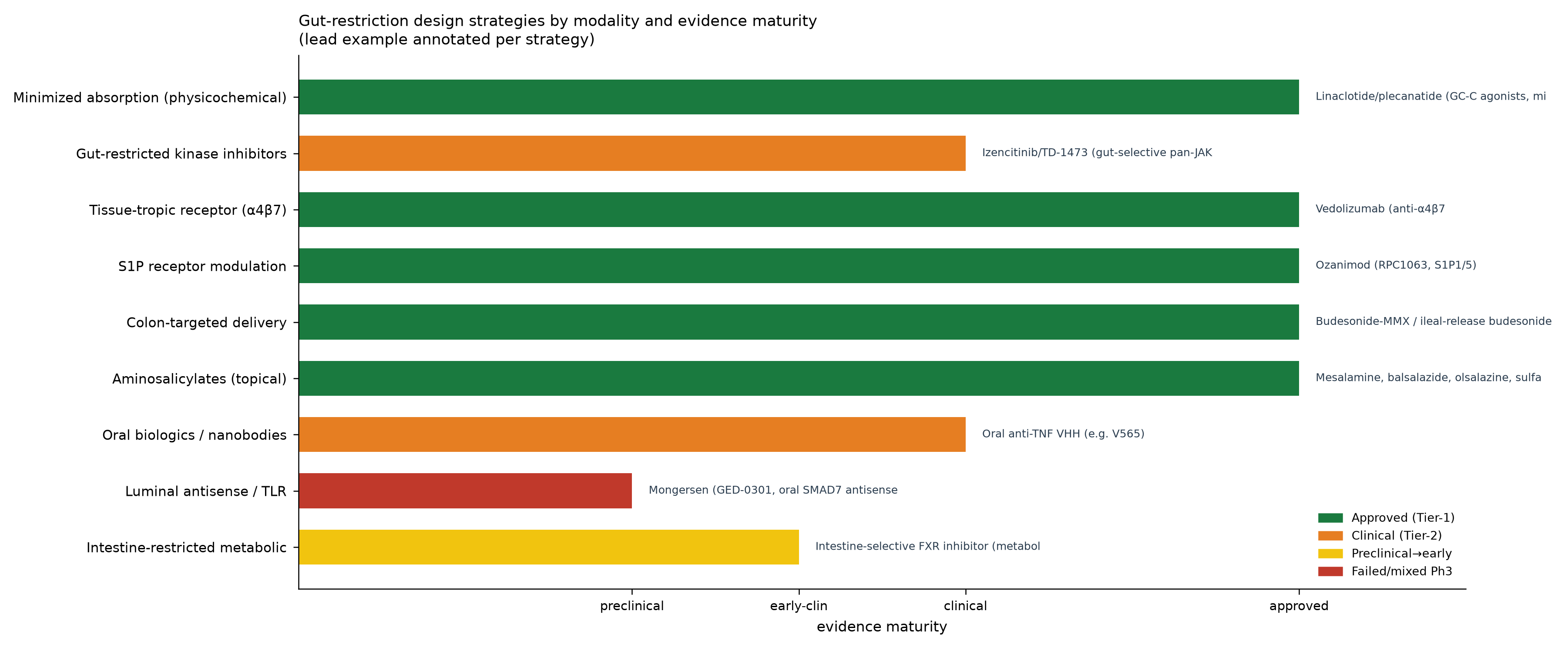
Based on the artifact set, the session involved assembling and harmonizing celiac disease datasets (single-cell and bulk transcriptomic data, plus differential expression results from GEO series GSE164883, GSE146190, and GSE131705), building a meta-signature and epitope panel, and running epitope/deamidation and IEDB-based immunogenicity predictions. The work also incorporated structural references (PDB entries 4GS7 and 1HYR), FDA celiac guidance, and a "gut-restricted" strategy analysis (evidence map, trial landscape, JAK schematic, binder hardening/protease mapping) suggesting exploration of gut-localized therapeutic binder design analogous to the EoE program. No final agent summary message was recorded for this session, so the overall conclusions or recommendations are not documented beyond the artifacts produced.
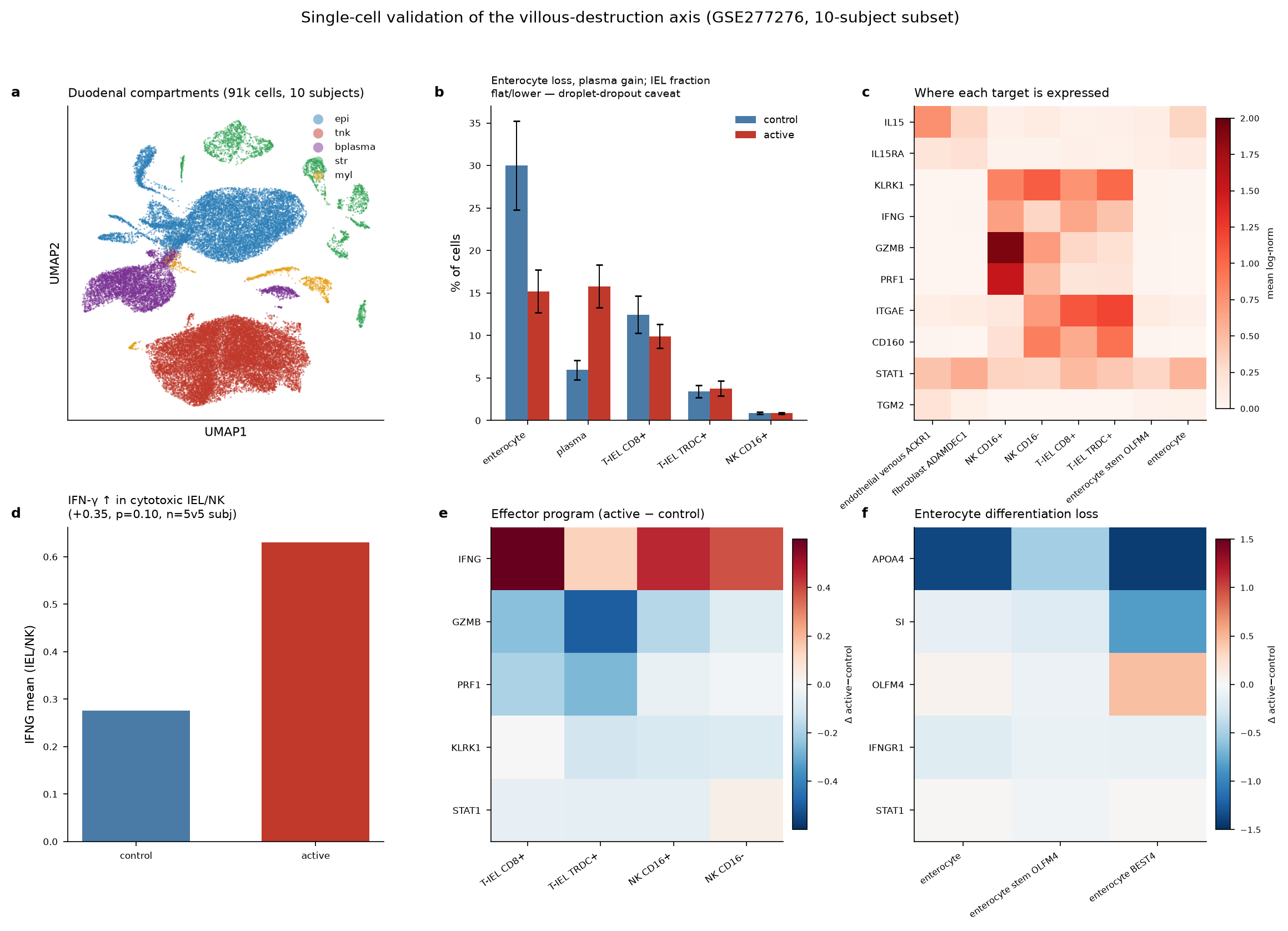
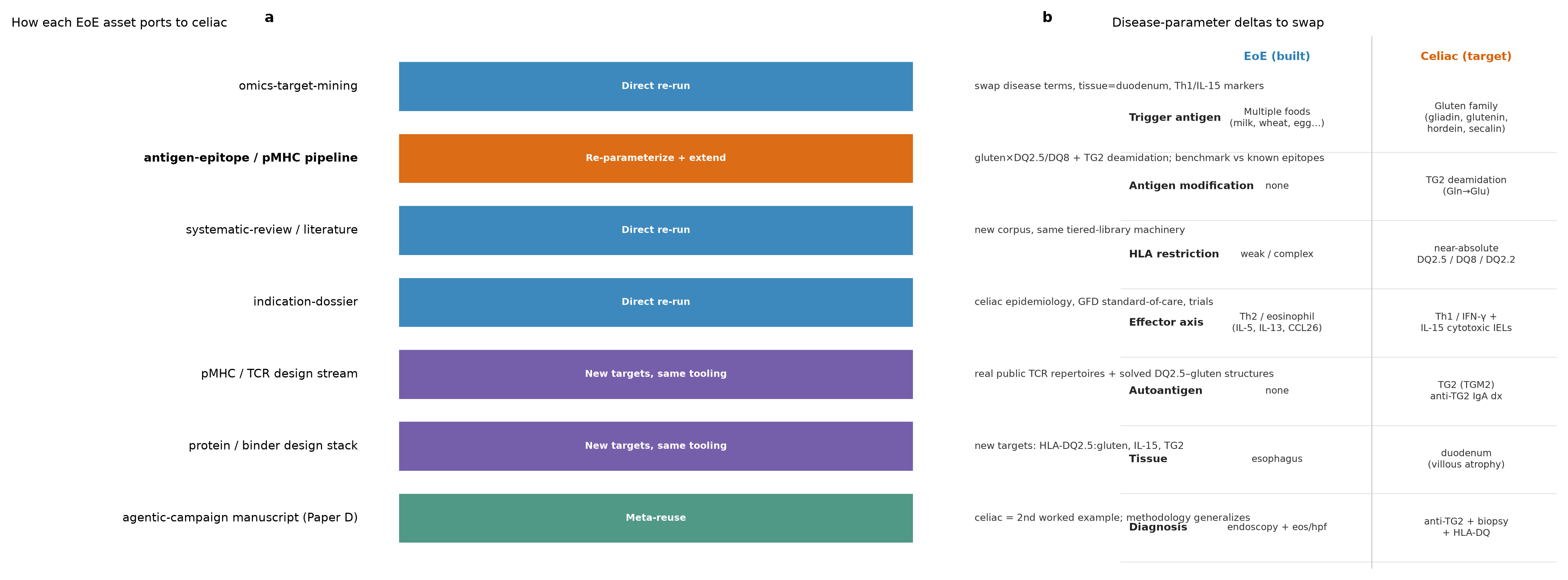
Key deliverables include processed omics data (celiac_sc_slim.h5ad, celiac_bulk_harmonized.pkl), immunogenicity/epitope resources (iedb_predictions.json, celiac_epitope_panel.csv, celiac_meta_signature.csv, celiac_deamidation_shift.csv), and strategic/design bundles (gut_restricted_review_bundle.tar.gz, gut_binder_design_bundle.tar.gz) along with numerous supporting figures (e.g., celiac_sc_validation.png, celiac_design_campaign.png, gut_restricted_evidence_map.png) documenting the analysis pipeline, though no final synthesized narrative accompanies them.